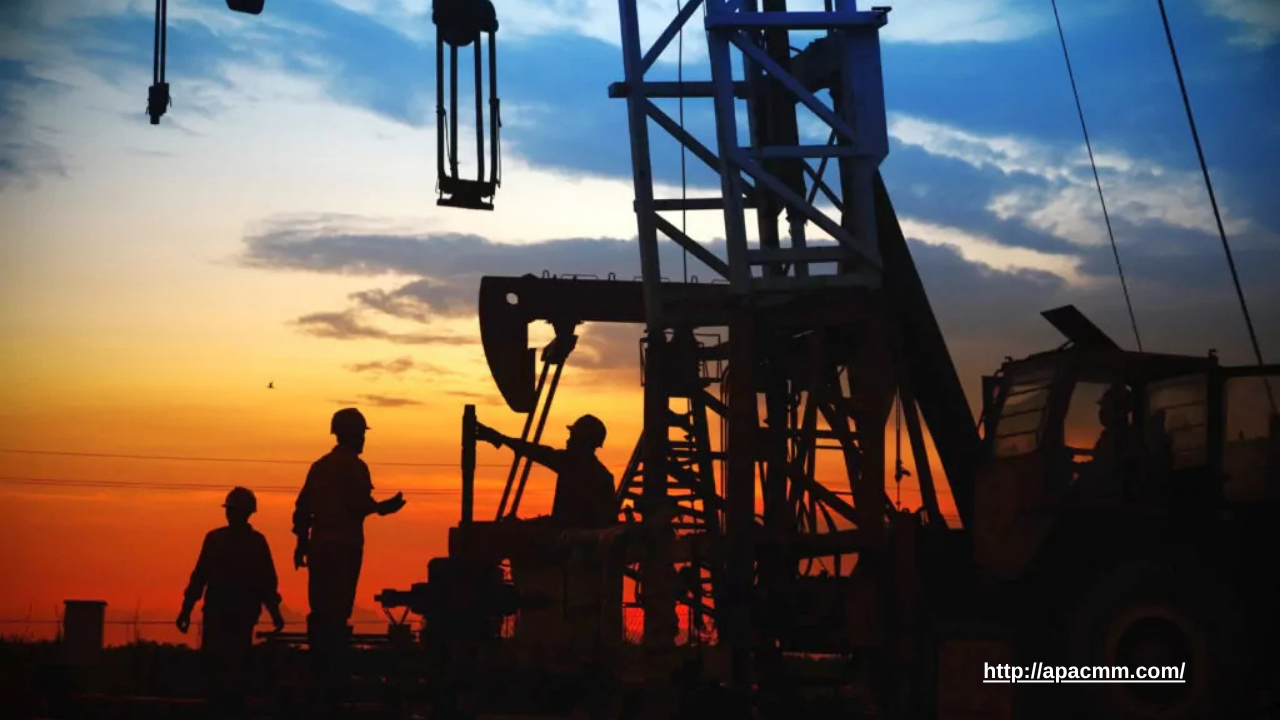
The oil industry has long been a cornerstone of economic growth and energy production. Yet behind the boom in productivity lies a hidden struggle among many oil field workers—addiction. The demanding nature of oil field jobs, characterized by physically grueling work, long shifts, and remote locations, creates an environment where substance abuse can easily take root. To truly support these workers, the industry must focus on connecting them with lifesaving treatment and comprehensive care that addresses the unique challenges they face.
The Hidden Struggles of Oil Field Workers
Oil field workers often endure harsh working conditions that can lead to both physical and mental health issues. Injuries and chronic pain from repetitive labor make the use of prescription painkillers common, which unfortunately can lead to opioid dependency. Additionally, long hours spent isolated from family and community contribute to stress, loneliness, and mental fatigue. Many workers turn to alcohol or drugs to manage these pressures, creating a cycle of addiction that is difficult to break.
Despite the growing problem, many workers hesitate to seek help. The stigma surrounding addiction in such a traditionally “tough” industry means workers fear judgment from colleagues and the potential risk of losing their jobs. Access to treatment is also limited due to the remote nature of oil fields, making it harder to find nearby support services.
Bridging the Gap: Access to Treatment
Connecting oil field workers to effective treatment requires breaking down these barriers through innovative and compassionate solutions:
- On-site and Mobile Treatment Options
Employers can provide mobile clinics and on-site counseling services that bring treatment directly to remote work locations. This reduces the need for workers to travel long distances and makes it easier to access immediate care. - Telehealth Services
Telemedicine offers a flexible and confidential way for workers to receive counseling and medical support without leaving their job sites. Virtual therapy sessions can be scheduled around demanding work hours, allowing workers to engage in recovery while maintaining their employment. - Confidential Employee Assistance Programs (EAPs)
Workplaces that promote confidential EAPs encourage workers to seek help early. These programs provide counseling, referrals, and support, all designed to protect worker privacy and reduce fear of job loss. - Peer Support and Education
Creating peer-led support groups helps reduce stigma and fosters a culture of openness. Education programs that raise awareness about addiction and mental health empower workers to recognize warning signs and support colleagues in need.
Toward a Culture of Healing
Healing beyond the boom is not just about treating addiction but about transforming the culture of the oil industry. Employers must champion mental health awareness and prioritize the well-being of their workforce. Training supervisors to recognize and respond to substance abuse, promoting work-life balance, and encouraging open communication are vital steps in fostering a supportive environment.
By investing in accessible, stigma-free treatment and ongoing support, the oil industry can help workers break free from addiction and regain control of their lives. This not only saves lives but also improves workplace safety, productivity, and morale—benefiting the entire industry.
Conclusion
Addiction among oil field workers is a hidden crisis demanding urgent attention. Healing beyond the boom means more than economic success; it means ensuring the people who power the industry receive the care and support they deserve. With dedicated efforts to connect workers to lifesaving treatment and foster a culture of compassion, the oil sector can lead the way in overcoming addiction and building a healthier future for all.