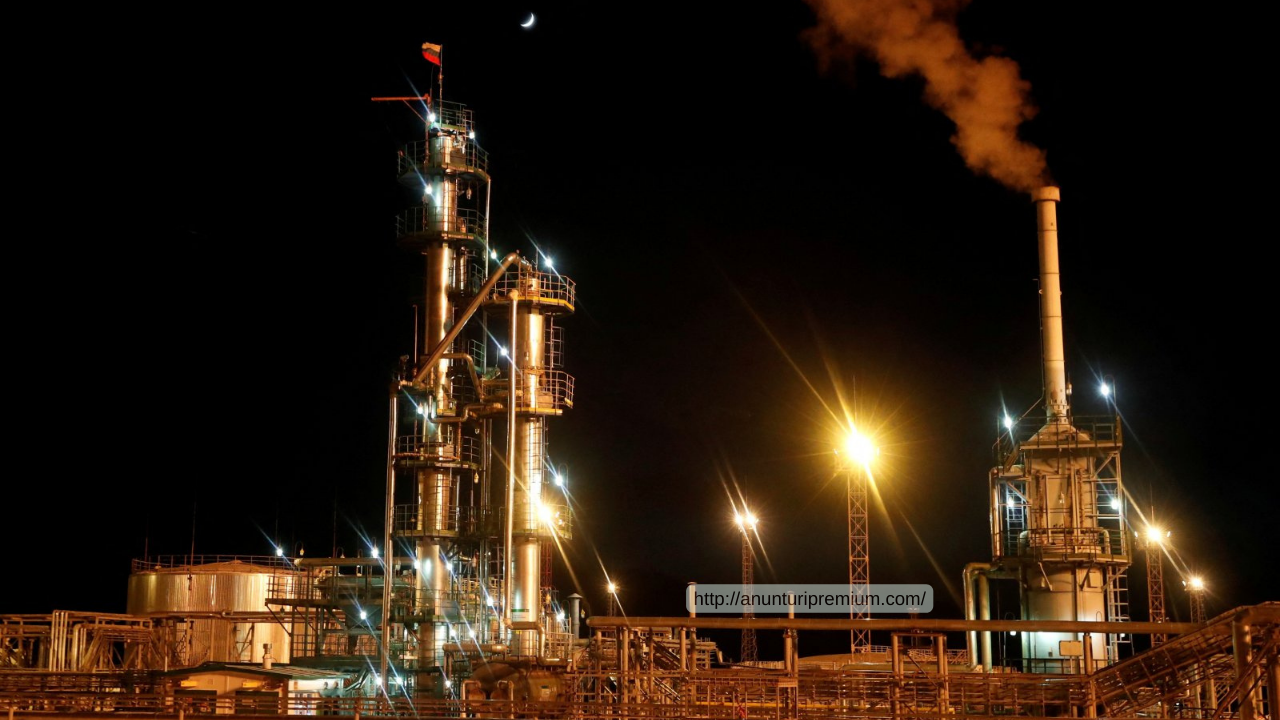
Behind the Paycheck: The Hidden Struggles with Addiction in Oil and Gas Communities

The oil and gas industry often symbolizes financial stability and opportunity. Workers in this field are drawn by the promise of competitive pay and steady employment. Yet behind the paycheck lies a less visible reality: addiction and substance abuse are quietly impacting individuals, families, and entire communities connected to this demanding industry. The combination of long hours, dangerous conditions, and time spent away from loved ones has created an environment where drugs and alcohol can become unhealthy coping mechanisms. Recognizing this hidden crisis is the first step toward connecting workers and families with the lifesaving support they need.

The Pressures Fueling Addiction

Oil and gas jobs are some of the most challenging in the labor market. Employees often work long shifts in remote areas where isolation and fatigue are part of daily life. The physical demands of the job lead to injuries, many of which are treated with prescription pain medications. Without proper monitoring, reliance on these medications can spiral into dependency.

More Than Physical Strain

It is not only the physical toll that drives addiction. The emotional weight of being away from family for weeks at a time, combined with the stress of high-risk work, leaves many workers vulnerable. Alcohol and drugs often become quick fixes to numb stress, loneliness, or exhaustion. Over time, what begins as a way to cope can evolve into a serious substance use disorder that impacts every area of life.

The Impact on Communities

Addiction does not stop at the worksite. Families and communities also feel the consequences. Children may struggle without consistent parental support, and spouses face the emotional burden of watching loved ones decline. Communities built around the energy sector often experience higher rates of mental health concerns, substance abuse, and family instability. Recognizing addiction as a community issue rather than an individual failing helps reduce stigma and opens the door to real solutions.

Pathways to Recovery

The good news is that effective help is available, and recovery is possible. Addressing addiction in oil and gas communities requires more than detox. It calls for comprehensive, compassionate care that considers the whole person.

Inpatient and Outpatient Care

Inpatient programs provide structured support for those who need intensive treatment, while outpatient options allow individuals to continue working and meeting family responsibilities. Both approaches can be highly effective when tailored to the unique needs of oil and gas workers.

Holistic and Faith-Based Support

Healing is most successful when it includes more than medical treatment. Holistic recovery addresses mental health, emotional resilience, and spiritual well-being. For many, faith-based care provides a source of strength and purpose, helping them rebuild their lives with hope and direction.

Individualized Treatment Plans

Every journey through addiction is different. Individualized treatment ensures that workers receive care that fits their circumstances, including counseling, group therapy, family involvement, and aftercare planning. This personalized approach gives workers the tools they need for long-term recovery.

Breaking the Silence

Behind the paycheck and the outward appearance of stability, many oil and gas workers are fighting private battles with addiction. These struggles are real, but they are not without solutions. With compassionate, holistic, and individualized treatment, recovery is possible. No worker or family should face this journey alone. If you or someone you love is struggling, reaching out for help today can be the first step toward healing, restoration, and a brighter future.
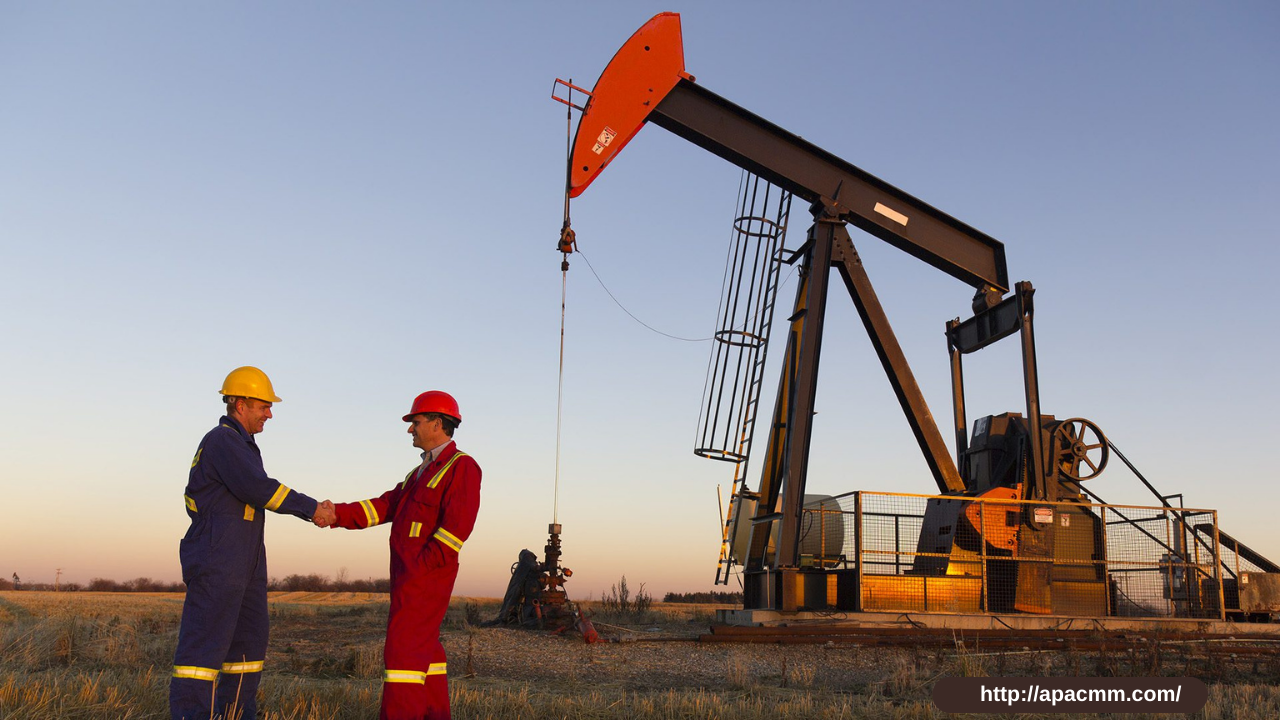
High Stakes Recovery: How the Oil Industry Can Support Workers Battling Addiction

The oil industry is synonymous with high-pressure work, demanding schedules, and physically challenging conditions. For the workers who keep the rigs running and energy flowing, these pressures can take a toll on both body and mind. Unfortunately, the demanding nature of the job, combined with long periods of isolation and high-stress environments, has contributed to an elevated risk of substance abuse among oil industry employees. Recognizing this reality and providing meaningful support is crucial. Recovery is not only possible, but it can be sustainable with the right combination of compassionate care, holistic treatment, and individualized support.

Understanding the Unique Risks in the Oil Industry

Oil and gas employees often work in remote locations, away from family and community support for weeks at a time. The physically intensive nature of the work increases the likelihood of injuries, which are commonly treated with prescription pain medications. Without proper monitoring and guidance, these medications can lead to dependency. Simultaneously, alcohol and other substances may be used as coping mechanisms for stress, fatigue, and isolation.

The Role of Workplace Culture

One of the biggest barriers to addressing addiction is workplace culture. In an industry that prizes toughness, endurance, and resilience, admitting vulnerability can feel impossible. Many workers fear judgment from colleagues or potential job loss, which discourages them from seeking help. This stigma allows addiction to remain hidden until it reaches a critical point, affecting not only the individual but also workplace safety and overall productivity.

Strategies for Supporting Recovery

The oil industry can take several practical steps to support employees struggling with addiction. These strategies focus on accessibility, holistic care, and building a culture of support.

Accessible Treatment Options

Providing both inpatient and outpatient treatment options ensures that employees have access to care that fits their personal and professional circumstances. Inpatient care offers a structured and safe environment for individuals requiring intensive treatment, while outpatient programs allow workers to continue fulfilling job responsibilities while participating in recovery.

Holistic and Faith-Based Approaches

True recovery addresses more than the physical symptoms of addiction. Holistic treatment encompasses mental health counseling, wellness practices, and, for those who value spirituality, faith-based support. This comprehensive approach helps individuals rebuild emotional resilience, manage stress, and develop sustainable coping strategies.

Individualized Recovery Plans

No two recovery journeys are the same. Personalized care plans tailor therapy, peer support, family involvement, and aftercare to the specific needs of each individual. By considering the unique challenges of oil industry workers, these plans significantly increase the likelihood of long-term recovery and prevent relapse.

Building a Supportive Work Environment

Employers have a critical role in fostering recovery-friendly workplaces. Training supervisors to recognize early signs of addiction, offering Employee Assistance Programs, and promoting open conversations about mental health can create an environment where seeking help is encouraged rather than feared. Supporting employees through recovery not only improves individual health but also enhances workplace safety, morale, and productivity.

Taking the Next Step

Addiction in the oil industry is a high-stakes challenge, but it is one that can be addressed with compassion, expertise, and proactive intervention. Workers struggling with substance use deserve access to holistic, individualized care that meets their unique needs. If you or someone you care about is facing addiction, reaching out for professional help is the first step toward lasting recovery. With the right support, oil industry workers can reclaim their health, restore their well-being, and thrive both on and off the job.

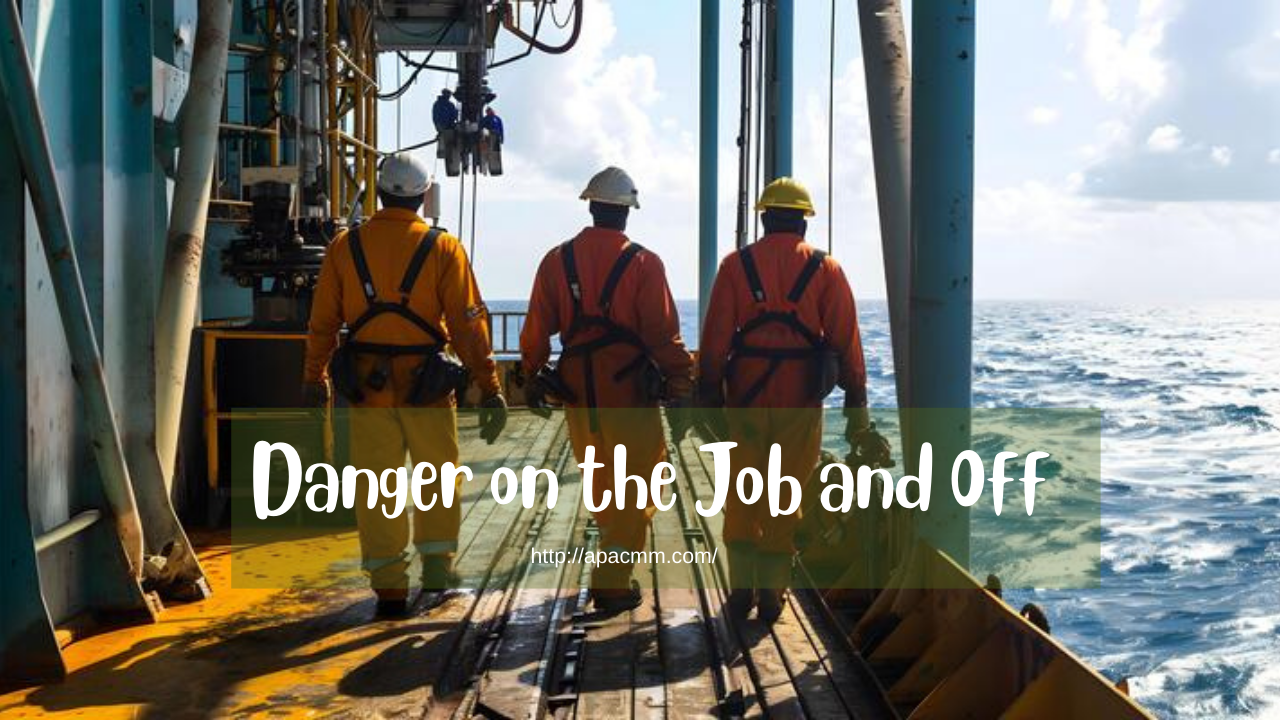
Danger on the Job and Off: Why Oil and Gas Workers Face Elevated Addiction Risks

Oil and gas workers are some of the most resilient professionals in the world. They endure grueling schedules, physically demanding tasks, and hazardous environments that require constant focus and discipline. While their work powers economies and sustains communities, it also exposes them to unique pressures that increase their risk of addiction. The challenges of long shifts, isolation, and injury management create conditions where substance use can quickly shift from coping mechanism to dependence. Understanding why this population is at elevated risk is the first step toward providing meaningful solutions.

The Demands of the Job

Oil and gas operations often take place in remote areas, requiring employees to spend weeks or months away from family and community support systems. The long hours and physically strenuous tasks put immense strain on both the body and mind. Injuries are not uncommon, and prescription medications such as opioids are frequently used for pain management. Without proper safeguards, these medications can become addictive.

The Role of Stress and Isolation

Isolation plays a major role in substance abuse risk. Many workers turn to alcohol or other substances to cope with loneliness or the stress of separation from loved ones. The culture within the industry also tends to value toughness and endurance, making it difficult for individuals to admit when they are struggling. This stigma often silences those in need of help, allowing addiction to take hold in silence.

Why Addiction Is Especially Dangerous in This Industry

Substance abuse is dangerous in any profession, but in the oil and gas sector the stakes are even higher. A lapse in judgment while operating heavy machinery or managing complex drilling operations can result in catastrophic accidents. Addiction does not just affect the individual worker. It threatens the safety of entire crews and the success of critical projects.

Hidden Costs to Workers and Companies

Beyond immediate safety concerns, addiction contributes to absenteeism, reduced productivity, and higher healthcare costs. Workers facing addiction may experience strained family relationships, declining mental health, and financial difficulties. For companies, the hidden costs of unaddressed addiction can quickly add up, impacting overall performance and morale.

Pathways to Healing and Recovery

Despite the risks, addiction does not have to define the lives of oil and gas workers. Effective recovery is possible with comprehensive, compassionate care tailored to individual needs.

Accessible Treatment Options

Inpatient programs provide structured environments for those requiring intensive care, while outpatient services allow individuals to continue working and supporting their families while receiving treatment. Both options play a critical role in supporting recovery.

Holistic and Faith-Based Approaches

Healing requires addressing more than just physical dependence. Holistic treatment incorporates counseling, mental health support, wellness practices, and spiritual guidance for those who value faith in their recovery journey. This whole-person approach provides lasting tools for resilience and growth.

Individualized Care Plans

Every worker’s journey is different. Personalized treatment plans ensure that individuals receive the specific support they need, whether through therapy, group support, or family involvement. This tailored care greatly improves the chances of long-term recovery.

Protecting Lives Beyond the Job Site

Oil and gas workers face elevated addiction risks because of the very conditions that make their jobs so demanding. Yet with the right support, recovery is within reach. By breaking the stigma, expanding access to treatment, and embracing holistic, individualized care, lives can be transformed.

If you or a loved one is struggling with addiction, now is the time to take the first step. Professional, compassionate help is available, and no one has to walk the road to recovery alone.