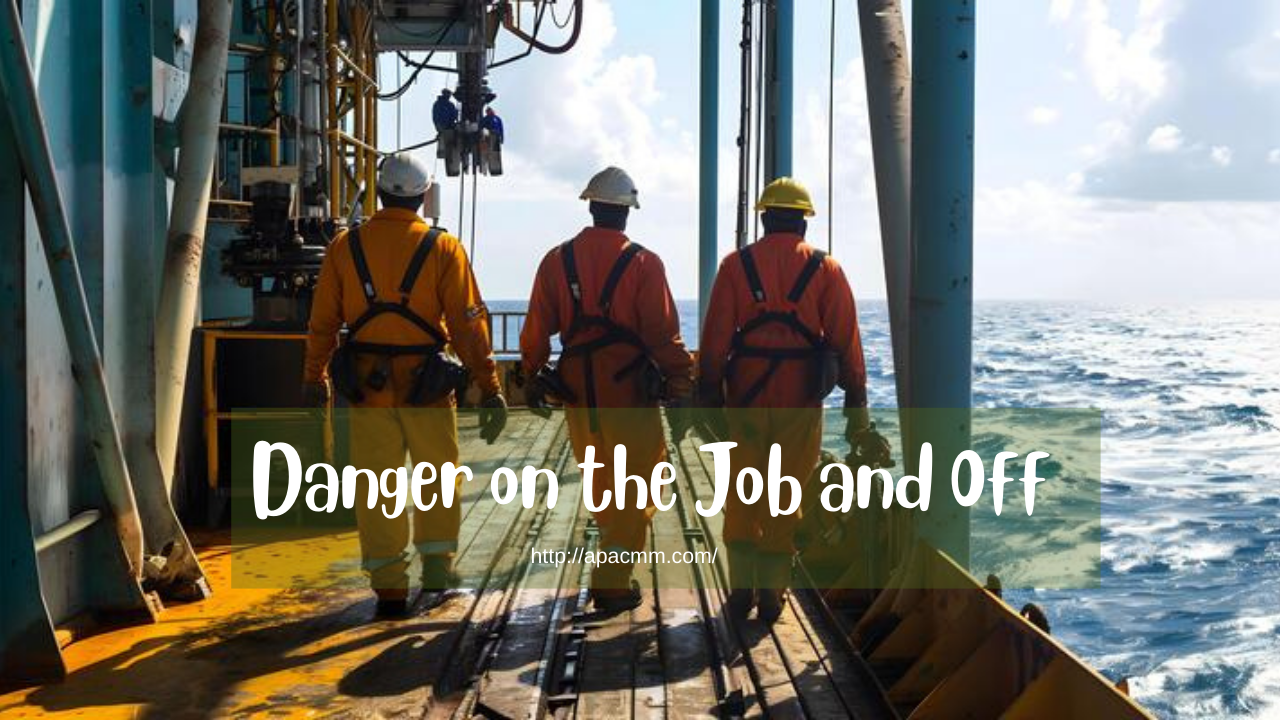
Oil and gas workers are some of the most resilient professionals in the world. They endure grueling schedules, physically demanding tasks, and hazardous environments that require constant focus and discipline. While their work powers economies and sustains communities, it also exposes them to unique pressures that increase their risk of addiction. The challenges of long shifts, isolation, and injury management create conditions where substance use can quickly shift from coping mechanism to dependence. Understanding why this population is at elevated risk is the first step toward providing meaningful solutions.
The Demands of the Job
Oil and gas operations often take place in remote areas, requiring employees to spend weeks or months away from family and community support systems. The long hours and physically strenuous tasks put immense strain on both the body and mind. Injuries are not uncommon, and prescription medications such as opioids are frequently used for pain management. Without proper safeguards, these medications can become addictive.
The Role of Stress and Isolation
Isolation plays a major role in substance abuse risk. Many workers turn to alcohol or other substances to cope with loneliness or the stress of separation from loved ones. The culture within the industry also tends to value toughness and endurance, making it difficult for individuals to admit when they are struggling. This stigma often silences those in need of help, allowing addiction to take hold in silence.
Why Addiction Is Especially Dangerous in This Industry
Substance abuse is dangerous in any profession, but in the oil and gas sector the stakes are even higher. A lapse in judgment while operating heavy machinery or managing complex drilling operations can result in catastrophic accidents. Addiction does not just affect the individual worker. It threatens the safety of entire crews and the success of critical projects.
Hidden Costs to Workers and Companies
Beyond immediate safety concerns, addiction contributes to absenteeism, reduced productivity, and higher healthcare costs. Workers facing addiction may experience strained family relationships, declining mental health, and financial difficulties. For companies, the hidden costs of unaddressed addiction can quickly add up, impacting overall performance and morale.
Pathways to Healing and Recovery
Despite the risks, addiction does not have to define the lives of oil and gas workers. Effective recovery is possible with comprehensive, compassionate care tailored to individual needs.
Accessible Treatment Options
Inpatient programs provide structured environments for those requiring intensive care, while outpatient services allow individuals to continue working and supporting their families while receiving treatment. Both options play a critical role in supporting recovery.
Holistic and Faith-Based Approaches
Healing requires addressing more than just physical dependence. Holistic treatment incorporates counseling, mental health support, wellness practices, and spiritual guidance for those who value faith in their recovery journey. This whole-person approach provides lasting tools for resilience and growth.
Individualized Care Plans
Every worker’s journey is different. Personalized treatment plans ensure that individuals receive the specific support they need, whether through therapy, group support, or family involvement. This tailored care greatly improves the chances of long-term recovery.
Protecting Lives Beyond the Job Site
Oil and gas workers face elevated addiction risks because of the very conditions that make their jobs so demanding. Yet with the right support, recovery is within reach. By breaking the stigma, expanding access to treatment, and embracing holistic, individualized care, lives can be transformed.
If you or a loved one is struggling with addiction, now is the time to take the first step. Professional, compassionate help is available, and no one has to walk the road to recovery alone.