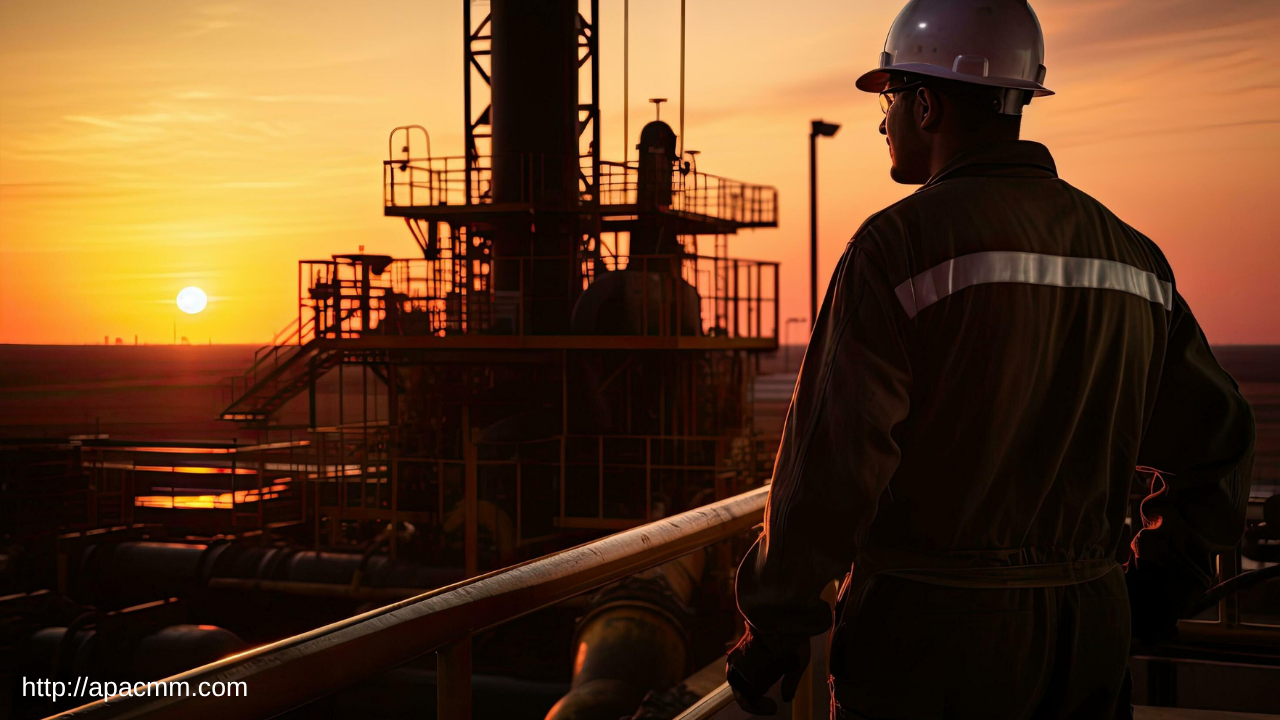
The oil and gas industry is synonymous with hard work, high pay, and high pressure. It is a sector that demands physical resilience, mental toughness, and the ability to endure long hours in remote and often hazardous environments. While these workers power the world’s energy needs, there’s a hidden crisis unfolding behind the scenes—substance abuse and addiction. This untold story is rarely discussed, yet it affects thousands of workers and their families, with consequences that ripple through communities and workplaces alike.
The Roots of the Crisis
Oil and gas workers operate in environments where stress is a constant companion. Extended shifts, sometimes lasting 12 to 16 hours, combined with weeks away from family, create emotional isolation and mental fatigue. Physical injuries are common, and prescription opioids are often the first line of treatment for pain management. Unfortunately, these medications can lead to dependency, especially when paired with the high-stress lifestyle of oil field work.
In many oil field communities, alcohol and drug use are normalized as ways to cope with the pressures of the job. Drinking after a long shift or using stimulants to stay alert can become routine, eventually evolving into substance abuse. Yet, because the culture values toughness and self-reliance, many workers are reluctant to admit they need help, allowing addiction to grow unchecked.
The High Stakes of Inaction
Addiction in the oil and gas industry is not just a personal problem—it’s a workplace safety issue. Substance abuse can impair judgment, reduce reaction times, and increase the risk of accidents in environments where safety is paramount. From operating heavy machinery to managing complex drilling operations, even a momentary lapse can lead to catastrophic consequences. The stakes are high, not only for the addicted individual but for their coworkers and the entire operation.
Beyond safety concerns, addiction impacts productivity, employee retention, and healthcare costs. Workers struggling with substance abuse are more likely to miss shifts, require medical attention, and face mental health crises. This creates financial and operational burdens for companies and weakens the overall workforce.
Building a Path to Recovery
Addressing addiction in the oil and gas industry requires a proactive, compassionate approach. Here are key steps to help tackle the issue:
- Breaking the Stigma – Open conversations about mental health and addiction must become part of the workplace culture. Education programs can help normalize seeking help.
- Accessible Treatment Options – Telehealth services, mobile counseling units, and on-site mental health support can provide immediate access to care, even in remote locations.
- Employee Assistance Programs (EAPs) – Confidential support programs can connect workers with addiction treatment resources without fear of job loss.
- Peer Support and Supervisor Training – Training leaders to recognize the signs of addiction and respond with empathy encourages early intervention and support.
Conclusion
The untold story of addiction in the oil and gas industry is one that can no longer remain hidden. By acknowledging the crisis and implementing thoughtful, accessible treatment solutions, the industry can protect its workers and create a healthier, safer future. The risks are high, but the rewards of recovery are even greater.