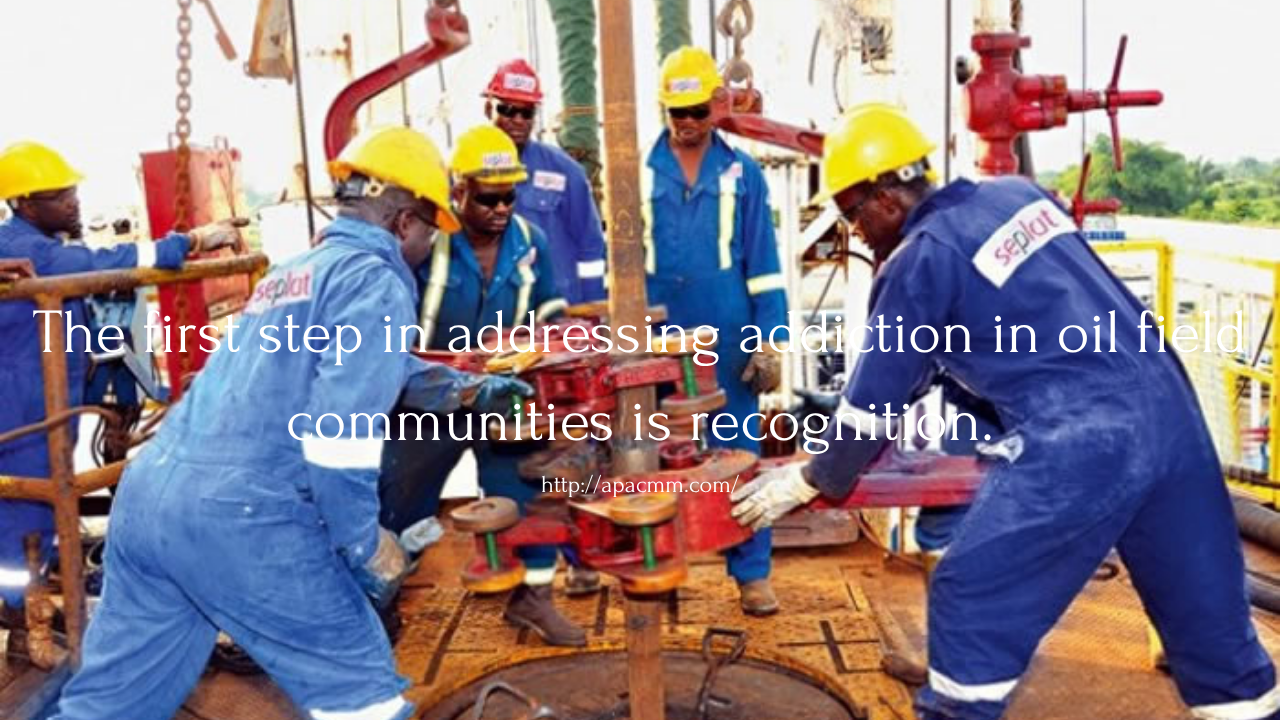
Oil field communities are built on strength, endurance, and a relentless work ethic. They are the backbone of the energy sector, driving economies and powering nations. But behind the grit and determination lies a difficult reality: addiction is a growing and often unspoken crisis in these tight-knit, high-stress environments. Recognizing and treating addiction in oil field communities is not only a moral responsibility but also essential to maintaining the safety, productivity, and long-term well-being of the workforce.
Addiction: The Quiet Crisis in the Oil Fields
Oil field work is not for the faint of heart. Employees work grueling hours, often in isolated and hazardous conditions. They are frequently stationed in remote areas, far from family and social support systems. The physical demands of the job often lead to injuries, which are commonly treated with prescription painkillers—opening the door to opioid dependency. Simultaneously, the psychological toll of isolation and stress can push workers toward alcohol and drug use as a form of relief.
In these environments, addiction often goes unnoticed or unspoken. Workers may hide their struggles for fear of losing their jobs, being judged by peers, or damaging their reputation in the community. This silence allows addiction to fester, worsening over time and increasing the risk of accidents, mental health crises, and long-term health problems.
The Importance of Early Recognition
The first step in addressing addiction in oil field communities is recognition. Supervisors, coworkers, and even families must be educated to spot the warning signs: changes in behavior, erratic attendance, decreased performance, mood swings, or visible signs of substance use. These indicators are not always easy to detect, especially in a culture that often discourages vulnerability.
Routine mental health check-ins, anonymous surveys, and open conversations about addiction can help normalize the topic. When workers see that addiction is being taken seriously and compassionately, they are more likely to seek help.
Effective Treatment Strategies
Treating addiction in oil field communities requires solutions that account for the industry’s unique challenges:
- On-site and Remote Support
Bringing treatment to workers through mobile health clinics or telehealth platforms is crucial. These services can provide medical assessments, therapy sessions, and recovery planning directly to remote sites. - Confidential Help Programs
Companies should offer confidential Employee Assistance Programs (EAPs) that provide access to addiction counseling, mental health support, and referrals to rehabilitation services—without fear of disciplinary action. - Flexible Rehabilitation Options
Not every worker can leave their job for inpatient rehab. Outpatient programs, short-term leave policies, and after-hours counseling provide more feasible paths to recovery. - Community-Based Support
Recovery does not end with treatment. Support groups, mentorship programs, and family counseling can help individuals maintain sobriety and rebuild their lives.
A Call for Compassion and Change
The hard truth is that addiction is present in oil field communities—and it is costing lives, families, and careers. But by recognizing the problem and implementing tailored, empathetic treatment strategies, the industry can change course. Supporting workers through their recovery is not just the right thing to do—it’s essential to the health of the workforce and the future of the industry.
With understanding, action, and compassion, recovery in the oil fields is not only possible—it’s within reach.