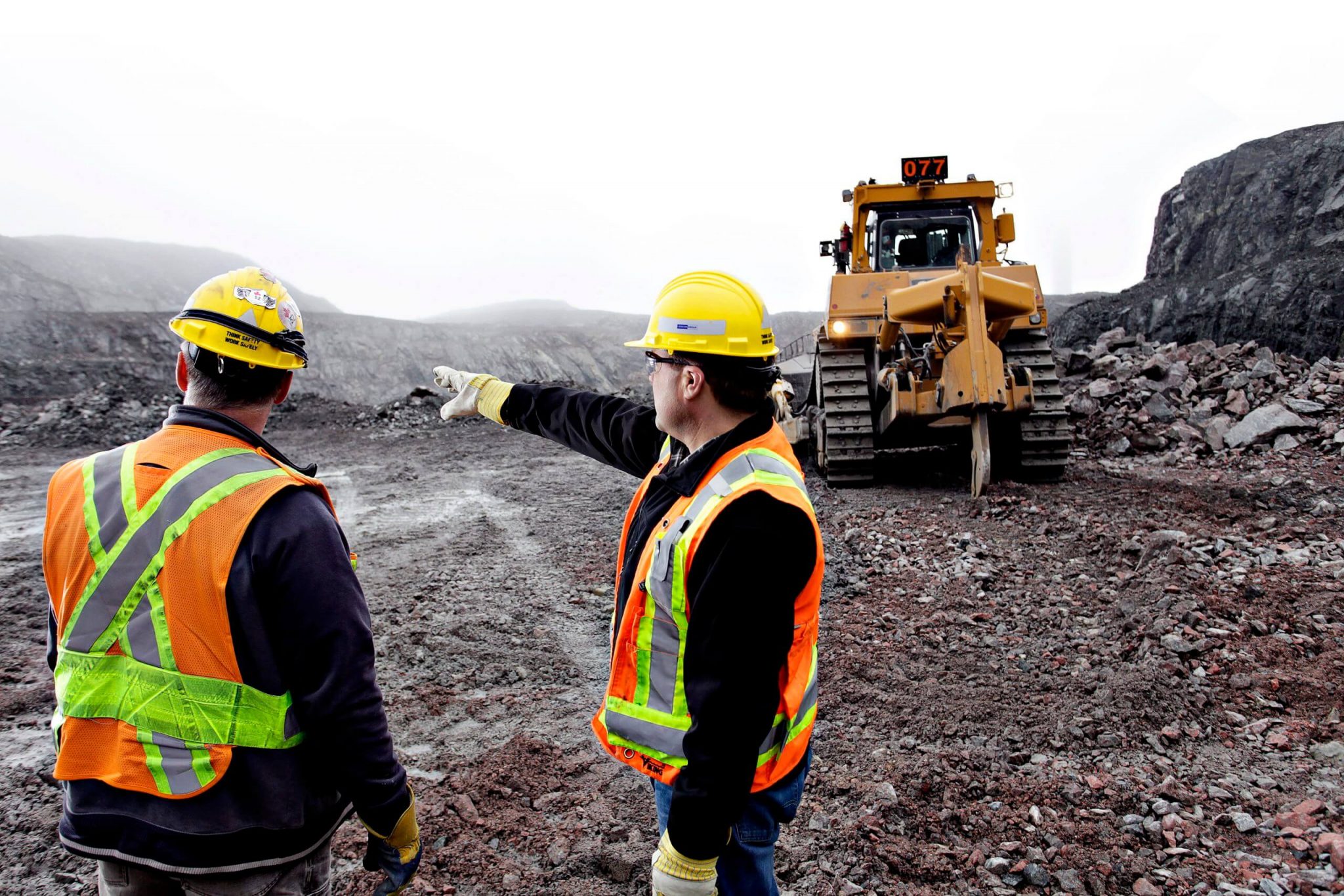
The Hidden Cost of the Oil Patch: Recognizing Addiction and Finding Professional Treatment

The oil and gas industry powers communities, economies, and essential services, but the demanding nature of the work often comes with hidden personal costs. Long hours, physically strenuous labor, remote job sites, and prolonged separation from family can create intense pressure that affects both mental and physical health. For some oil field workers, alcohol or drugs become a way to cope with stress, fatigue, chronic pain, or emotional isolation. While substance use may provide temporary relief, it can gradually develop into addiction that impacts every part of life. The good news is that professional treatment offers a path toward healing, recovery, and renewed hope.

Understanding the Hidden Challenges of Oil Field Life

Oil field workers are often admired for their toughness and determination. However, behind that resilience are unique workplace challenges that can increase the risk of addiction.

Some of the most common stressors include:

  • Extended shifts that disrupt healthy routines
  • Physically demanding work that can lead to chronic pain
  • High-risk job responsibilities that require constant focus
  • Remote worksites with limited access to family and support
  • Emotional strain from balancing work and home life

Over time, these conditions can contribute to burnout, anxiety, depression, and unhealthy coping behaviors. Addiction is not a sign of weakness. It is a medical condition that deserves compassionate, professional care.

Recognizing the Warning Signs of Addiction

Many oil workers continue to perform their jobs while privately struggling with substance use. Because addiction often develops gradually, the warning signs can be easy to overlook.

Common indicators include:

  • Using alcohol or drugs to relax after every shift
  • Increasing amounts of substances needed to feel relief
  • Difficulty sleeping without alcohol or drugs
  • Mood swings, irritability, or emotional withdrawal
  • Declining physical health or work performance
  • Strained relationships with loved ones

Recognizing these signs early makes it easier to seek help before addiction creates more serious consequences.

Why Professional Addiction Treatment Matters

Recovery is about much more than simply stopping substance use. Lasting healing requires addressing the physical, emotional, and psychological factors that contribute to addiction.

At APACMM, treatment is designed around the individual rather than the addiction alone. Every client receives personalized care that supports both immediate recovery and long-term wellness.

Services may include:

  • Addiction recovery programs
  • Mental health treatment
  • Inpatient care
  • Outpatient treatment
  • Holistic healing services
  • Faith-based support for those who desire spiritual guidance
  • Individualized treatment planning

This comprehensive approach helps clients develop healthier coping skills while rebuilding confidence and stability.

Inpatient Treatment: A Safe Place to Begin Recovery

For individuals experiencing moderate to severe addiction, inpatient treatment provides a structured environment where healing becomes the primary focus.

Benefits of Inpatient Care

Residential treatment often includes:

  • Medical detox support when appropriate
  • Individual counseling
  • Group therapy
  • Mental health treatment
  • Daily wellness activities
  • A supportive, substance-free environment

This level of care allows individuals to step away from workplace stress and focus fully on recovery.

Outpatient Treatment: Flexible Care for Lasting Success

Many oil field professionals benefit from outpatient treatment, especially when they need to continue working or caring for their families.

Outpatient Programs May Include

  • Individual therapy
  • Group counseling
  • Family therapy
  • Mental health support
  • Relapse prevention planning
  • Flexible scheduling that accommodates work demands

Outpatient care allows clients to practice recovery skills while remaining connected to their daily responsibilities.

Treating Mental Health Alongside Addiction

Mental health challenges frequently occur alongside substance use disorders. Anxiety, depression, trauma, and chronic stress can all contribute to addiction if left untreated.

Effective treatment focuses on both conditions by helping clients:

Identify Personal Triggers

Understanding emotional and environmental triggers allows individuals to make healthier decisions.

Develop New Coping Strategies

Clients learn practical tools to manage stress, difficult emotions, and workplace challenges without relying on substances.

Build Emotional Strength

Recovery strengthens resilience, confidence, and overall emotional well-being.

Addressing mental health and addiction together improves long-term recovery outcomes.

Holistic and Faith-Based Care for Whole-Person Healing

Recovery involves healing every part of a person’s life. Holistic and faith-based services complement clinical treatment by supporting emotional, physical, and spiritual wellness.

These services may include:

  • Mindfulness and relaxation techniques
  • Physical wellness support
  • Nutrition education
  • Spiritual counseling
  • Stress management
  • Community connection and peer support

Together, these services encourage balanced, sustainable recovery.

Preparing for Life After Treatment

Completing treatment is a major accomplishment, but recovery continues long afterward. A strong aftercare plan helps clients maintain sobriety while returning to work and everyday life.

Successful recovery plans often include:

  • Continued counseling
  • Recovery support groups
  • Family involvement
  • Relapse prevention strategies
  • Ongoing mental health care
  • Healthy daily routines

These resources help individuals confidently navigate future challenges while protecting their recovery.

Conclusion: Every Recovery Journey Begins with One Decision

The hidden cost of life in the oil patch does not have to be addiction. Professional treatment can help individuals overcome substance use, improve their mental health, and rebuild meaningful relationships with family, friends, and coworkers.

APACMM provides compassionate addiction recovery services, mental health treatment, inpatient and outpatient programs, and holistic support tailored to the unique needs of oil field workers. Every recovery journey is personal, and every individual deserves care that reflects their experiences, strengths, and goals.

If you or someone you care about is struggling with addiction, there is hope. Reaching out for professional support today can be the first step toward lasting recovery, renewed purpose, and a healthier future.

Back on Solid Ground: Addiction Recovery Solutions for Oil Field Workers Ready to Reclaim Their Lives

Oil field workers are among the hardest-working professionals in the world. Their jobs demand physical endurance, mental focus, and the ability to perform safely in challenging environments. Long shifts, remote locations, and extended time away from home can create tremendous pressure that affects both physical and emotional well-being. For some, alcohol or drug use becomes a way to cope with fatigue, chronic pain, stress, or loneliness. Over time, this pattern can develop into addiction. The encouraging news is that recovery is possible. With compassionate, individualized addiction treatment, oil workers can regain control of their lives and get back on solid ground.

Understanding the Unique Pressures of Oil Field Work

Working in the oil and gas industry presents challenges that few other professions experience. Employees often spend weeks away from family while managing physically demanding work in high-risk environments. These conditions can make it difficult to maintain healthy routines and emotional balance.

Several workplace factors contribute to addiction risk, including:

  • Long and unpredictable work schedules
  • Chronic physical strain and workplace injuries
  • Sleep disruption caused by rotating shifts
  • Isolation from family and personal support systems
  • Constant pressure to perform safely and efficiently

While many workers handle these demands successfully, ongoing stress without healthy coping strategies can increase the risk of substance use.

How Addiction Can Affect Every Area of Life

Addiction rarely affects only one aspect of a person’s life. As substance use progresses, it often impacts physical health, emotional wellness, relationships, financial stability, and career performance.

Common signs that professional treatment may be needed include:

  • Relying on alcohol or drugs after every shift
  • Increased tolerance and dependence
  • Difficulty concentrating or making decisions
  • Mood swings, anxiety, or depression
  • Declining job performance
  • Conflict with family members or coworkers

Recognizing these warning signs early allows individuals to seek support before addiction becomes even more difficult to overcome.

Why Personalized Addiction Recovery Matters

Every recovery journey is different. No two oil workers share the same experiences, health concerns, or personal goals. Effective treatment recognizes these differences and builds a recovery plan around the individual.

At APACMM, addiction treatment is centered on compassionate, client-focused care. Programs are designed to address substance use disorders while also supporting mental health, emotional healing, and long-term recovery.

Treatment options may include:

  • Addiction recovery services
  • Mental health treatment
  • Inpatient rehabilitation
  • Outpatient treatment
  • Holistic therapies
  • Faith-based support
  • Individualized treatment planning

This comprehensive approach provides clients with the tools they need to create meaningful and lasting change.

Inpatient Treatment for Focused Healing

Some individuals benefit from taking time away from work and everyday responsibilities to fully concentrate on recovery. Inpatient treatment provides a structured and supportive environment where healing can begin.

Benefits of Inpatient Care

Residential treatment often includes:

  • Medical detox support when appropriate
  • Individual counseling
  • Group therapy
  • Mental health treatment
  • Wellness activities that promote healthy living
  • Daily structure that encourages lasting behavioral change

This environment allows clients to recover without the distractions and pressures of daily life.

Outpatient Treatment for Flexible Recovery

Not every individual requires residential care. Outpatient treatment allows oil workers to receive professional support while continuing to meet work and family responsibilities.

Advantages of Outpatient Programs

Outpatient care may include:

  • Individual therapy sessions
  • Group counseling
  • Family support services
  • Mental health care
  • Relapse prevention planning
  • Flexible scheduling

This option helps individuals strengthen recovery skills while remaining active in their personal and professional lives.

Addressing Mental Health Alongside Addiction

Many people struggling with addiction are also coping with anxiety, depression, trauma, chronic stress, or burnout. Treating addiction without addressing these underlying issues often limits long-term success.

Comprehensive care focuses on:

Understanding the Root Causes

Therapists help clients identify emotional and environmental factors contributing to substance use.

Developing Healthy Coping Skills

Clients learn practical ways to manage workplace stress, emotional challenges, and life transitions without relying on alcohol or drugs.

Building Emotional Resilience

Recovery includes strengthening confidence, emotional stability, and healthy decision-making for the future.

Treating mental health and addiction together provides a stronger foundation for lifelong recovery.

Holistic and Faith-Based Support for Whole-Person Recovery

Recovery is about much more than eliminating substance use. It also involves rebuilding physical health, emotional wellness, and a renewed sense of purpose.

Holistic and faith-based approaches may include:

  • Mindfulness and meditation
  • Stress management techniques
  • Spiritual counseling for those who desire it
  • Physical wellness and nutrition support
  • Community connection and peer encouragement

These services complement evidence-based treatment and help individuals create a balanced and fulfilling life.

Creating a Strong Foundation for Lasting Sobriety

Recovery continues long after formal treatment ends. Long-term success depends on maintaining healthy habits, strong support systems, and continued personal growth.

Successful recovery plans often include:

  • Ongoing counseling
  • Recovery support groups
  • Family involvement
  • Relapse prevention strategies
  • Continued mental health care
  • Healthy daily routines

These resources help oil workers confidently return to their careers while maintaining sobriety and improving their overall quality of life.

Conclusion: Recovery Begins with One Courageous Step

Life in the oil field can be demanding, but addiction does not have to determine the future. With compassionate care, personalized treatment, and ongoing support, oil workers can overcome substance use and reclaim the healthy, meaningful lives they deserve.

APACMM provides comprehensive addiction recovery services, mental health treatment, inpatient and outpatient programs, and holistic support designed to meet the unique needs of oil industry professionals. Every person deserves a recovery plan built around their individual experiences, strengths, and goals.

If you or someone you care about is struggling with addiction, do not wait to seek help. The first step toward recovery can lead to renewed health, stronger relationships, and the opportunity to build a brighter future on solid ground.

Real Help for Real Challenges: Addiction Treatment Options Designed for Oil Field Workers

Oil field workers are no strangers to hard work. Every day, they face physically demanding tasks, long hours, remote job sites, and the constant responsibility of maintaining safety in high-risk environments. While these professionals are known for their resilience, the pressures that come with the job can affect both physical and mental well-being. For some, alcohol or drug use becomes a way to manage stress, pain, exhaustion, or emotional isolation. Over time, this coping mechanism can develop into addiction. Fortunately, recovery is possible. With compassionate, individualized treatment, oil field workers can overcome addiction and build healthier, more fulfilling lives.

Understanding the Unique Challenges Oil Field Workers Face

The oil and gas industry presents working conditions that are unlike many other professions. The combination of demanding schedules and physically intense labor can create ongoing stress that impacts every area of life.

Common challenges include:

  • Extended shifts and rotating schedules
  • Chronic physical fatigue and muscle pain
  • Remote work locations that create isolation
  • Time away from family and loved ones
  • High-pressure environments where safety is always a priority

These realities can make it difficult to maintain healthy routines or seek support when stress becomes overwhelming. As a result, some workers turn to alcohol or drugs for temporary relief.

How Addiction Can Affect Every Part of Life

Substance use may initially seem manageable, but addiction often progresses gradually. As dependence grows, it can affect far more than physical health.

Oil workers struggling with addiction may experience:

  • Reduced focus and job performance
  • Increased workplace safety risks
  • Relationship difficulties with family and friends
  • Anxiety, depression, or emotional burnout
  • Financial and legal concerns
  • Declining overall quality of life

Recognizing these effects early can make recovery more successful and help prevent further complications.

Why Personalized Addiction Treatment Matters

Every person’s experience with addiction is different. The circumstances that contribute to substance use, along with personal recovery goals, vary from one individual to another.

At APACMM, addiction treatment is designed around each client’s unique needs. Rather than offering a single treatment model, recovery plans are personalized to address physical health, mental health, emotional well-being, and long-term recovery goals.

Services may include:

  • Addiction recovery programs
  • Mental health treatment
  • Inpatient rehabilitation
  • Outpatient treatment
  • Holistic therapies
  • Faith-based recovery support
  • Individualized care planning

This comprehensive approach allows clients to receive care that fits their lives and supports lasting recovery.

Inpatient Treatment for Focused Recovery

Some individuals benefit from stepping away from daily stressors to focus completely on healing. Inpatient treatment provides a structured environment where recovery becomes the primary priority.

Benefits of Inpatient Care

Residential treatment often includes:

  • Medical detox support when appropriate
  • Individual therapy sessions
  • Group counseling
  • Mental health treatment
  • Wellness and holistic activities
  • Structured daily routines that promote healing

This level of care provides stability while helping clients develop healthier habits and coping skills.

Outpatient Treatment for Flexible Support

Not every individual requires residential treatment. Outpatient programs provide professional care while allowing clients to continue working or meeting family responsibilities.

What Outpatient Care Includes

Outpatient treatment may offer:

  • Individual counseling
  • Group therapy
  • Mental health services
  • Family counseling
  • Relapse prevention planning
  • Flexible appointment scheduling

This option helps oil field workers receive consistent support while remaining connected to everyday life.

Treating Mental Health Alongside Addiction

Mental health plays an important role in successful addiction recovery. Many oil workers experience anxiety, depression, chronic stress, trauma, or burnout that contributes to substance use.

Comprehensive treatment addresses both addiction and mental health through:

Individual Counseling

Therapists help clients understand emotional triggers and develop healthier coping strategies.

Emotional Wellness Support

Clients learn practical skills for managing workplace stress, personal challenges, and difficult emotions without relying on substances.

Long-Term Recovery Planning

Recovery focuses on building emotional resilience and maintaining progress well beyond treatment.

Addressing mental health alongside addiction creates stronger and more sustainable outcomes.

Holistic and Faith-Based Care for Whole-Person Healing

Recovery extends beyond physical sobriety. It involves healing emotionally, mentally, and spiritually while creating a balanced lifestyle.

Holistic and faith-based services may include:

  • Mindfulness practices
  • Stress management techniques
  • Spiritual guidance for those who desire it
  • Physical wellness support
  • Nutrition education
  • Peer encouragement and community connection

These services complement evidence-based treatment and support lasting personal growth.

Building a Future Beyond Addiction

Recovery is not simply about stopping substance use. It is about creating a healthier future with confidence and purpose. Long-term success is supported through continued care, healthy routines, and meaningful relationships.

Strong recovery plans often include:

  • Ongoing counseling
  • Recovery support groups
  • Family involvement
  • Relapse prevention strategies
  • Continued mental health care
  • Healthy lifestyle habits

These resources help individuals confidently return to work while maintaining their recovery.

Conclusion: The Right Support Can Change Everything

Oil field workers face unique challenges, but addiction does not have to define their future. With compassionate, personalized treatment, individuals can overcome substance use, improve their mental health, and build stronger relationships with themselves and those they love.

APACMM provides comprehensive addiction recovery services, mental health treatment, inpatient and outpatient care, and holistic support tailored to the needs of oil industry professionals. Every recovery journey is unique, and every person deserves care that respects their experiences and goals.

If you or someone you care about is struggling with addiction, do not wait to seek help. The right treatment can provide the support, guidance, and hope needed to move beyond addiction and toward a healthier, more rewarding future.