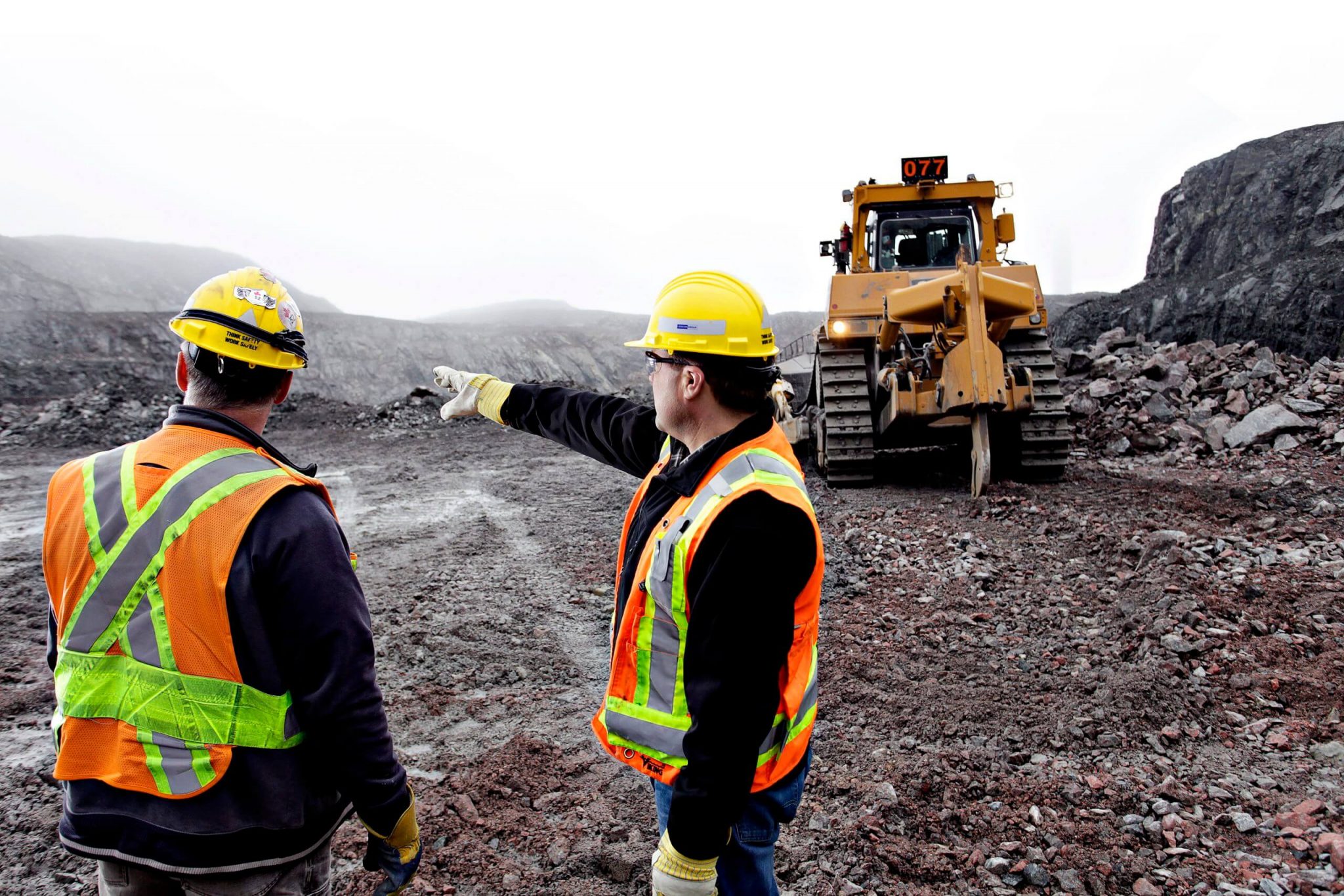
Real Help for Real Challenges: Addiction Treatment Options Designed for Oil Field Workers

Oil field workers are no strangers to hard work. Every day, they face physically demanding tasks, long hours, remote job sites, and the constant responsibility of maintaining safety in high-risk environments. While these professionals are known for their resilience, the pressures that come with the job can affect both physical and mental well-being. For some, alcohol or drug use becomes a way to manage stress, pain, exhaustion, or emotional isolation. Over time, this coping mechanism can develop into addiction. Fortunately, recovery is possible. With compassionate, individualized treatment, oil field workers can overcome addiction and build healthier, more fulfilling lives.

Understanding the Unique Challenges Oil Field Workers Face

The oil and gas industry presents working conditions that are unlike many other professions. The combination of demanding schedules and physically intense labor can create ongoing stress that impacts every area of life.

Common challenges include:

  • Extended shifts and rotating schedules
  • Chronic physical fatigue and muscle pain
  • Remote work locations that create isolation
  • Time away from family and loved ones
  • High-pressure environments where safety is always a priority

These realities can make it difficult to maintain healthy routines or seek support when stress becomes overwhelming. As a result, some workers turn to alcohol or drugs for temporary relief.

How Addiction Can Affect Every Part of Life

Substance use may initially seem manageable, but addiction often progresses gradually. As dependence grows, it can affect far more than physical health.

Oil workers struggling with addiction may experience:

  • Reduced focus and job performance
  • Increased workplace safety risks
  • Relationship difficulties with family and friends
  • Anxiety, depression, or emotional burnout
  • Financial and legal concerns
  • Declining overall quality of life

Recognizing these effects early can make recovery more successful and help prevent further complications.

Why Personalized Addiction Treatment Matters

Every person’s experience with addiction is different. The circumstances that contribute to substance use, along with personal recovery goals, vary from one individual to another.

At APACMM, addiction treatment is designed around each client’s unique needs. Rather than offering a single treatment model, recovery plans are personalized to address physical health, mental health, emotional well-being, and long-term recovery goals.

Services may include:

  • Addiction recovery programs
  • Mental health treatment
  • Inpatient rehabilitation
  • Outpatient treatment
  • Holistic therapies
  • Faith-based recovery support
  • Individualized care planning

This comprehensive approach allows clients to receive care that fits their lives and supports lasting recovery.

Inpatient Treatment for Focused Recovery

Some individuals benefit from stepping away from daily stressors to focus completely on healing. Inpatient treatment provides a structured environment where recovery becomes the primary priority.

Benefits of Inpatient Care

Residential treatment often includes:

  • Medical detox support when appropriate
  • Individual therapy sessions
  • Group counseling
  • Mental health treatment
  • Wellness and holistic activities
  • Structured daily routines that promote healing

This level of care provides stability while helping clients develop healthier habits and coping skills.

Outpatient Treatment for Flexible Support

Not every individual requires residential treatment. Outpatient programs provide professional care while allowing clients to continue working or meeting family responsibilities.

What Outpatient Care Includes

Outpatient treatment may offer:

  • Individual counseling
  • Group therapy
  • Mental health services
  • Family counseling
  • Relapse prevention planning
  • Flexible appointment scheduling

This option helps oil field workers receive consistent support while remaining connected to everyday life.

Treating Mental Health Alongside Addiction

Mental health plays an important role in successful addiction recovery. Many oil workers experience anxiety, depression, chronic stress, trauma, or burnout that contributes to substance use.

Comprehensive treatment addresses both addiction and mental health through:

Individual Counseling

Therapists help clients understand emotional triggers and develop healthier coping strategies.

Emotional Wellness Support

Clients learn practical skills for managing workplace stress, personal challenges, and difficult emotions without relying on substances.

Long-Term Recovery Planning

Recovery focuses on building emotional resilience and maintaining progress well beyond treatment.

Addressing mental health alongside addiction creates stronger and more sustainable outcomes.

Holistic and Faith-Based Care for Whole-Person Healing

Recovery extends beyond physical sobriety. It involves healing emotionally, mentally, and spiritually while creating a balanced lifestyle.

Holistic and faith-based services may include:

  • Mindfulness practices
  • Stress management techniques
  • Spiritual guidance for those who desire it
  • Physical wellness support
  • Nutrition education
  • Peer encouragement and community connection

These services complement evidence-based treatment and support lasting personal growth.

Building a Future Beyond Addiction

Recovery is not simply about stopping substance use. It is about creating a healthier future with confidence and purpose. Long-term success is supported through continued care, healthy routines, and meaningful relationships.

Strong recovery plans often include:

  • Ongoing counseling
  • Recovery support groups
  • Family involvement
  • Relapse prevention strategies
  • Continued mental health care
  • Healthy lifestyle habits

These resources help individuals confidently return to work while maintaining their recovery.

Conclusion: The Right Support Can Change Everything

Oil field workers face unique challenges, but addiction does not have to define their future. With compassionate, personalized treatment, individuals can overcome substance use, improve their mental health, and build stronger relationships with themselves and those they love.

APACMM provides comprehensive addiction recovery services, mental health treatment, inpatient and outpatient care, and holistic support tailored to the needs of oil industry professionals. Every recovery journey is unique, and every person deserves care that respects their experiences and goals.

If you or someone you care about is struggling with addiction, do not wait to seek help. The right treatment can provide the support, guidance, and hope needed to move beyond addiction and toward a healthier, more rewarding future.

From Pressure to Recovery: Helping Oil Workers Find the Right Addiction Treatment Path

Working in the oil and gas industry requires strength, discipline, and commitment. Oil workers often face long shifts, physically demanding labor, hazardous conditions, and extended time away from home. While these professionals are trained to handle intense pressure, the emotional and physical demands of the job can gradually take a toll. For some, alcohol or drug use becomes a way to cope with stress, chronic pain, fatigue, or isolation. Fortunately, addiction does not have to be a permanent part of the journey. With personalized treatment and compassionate support, oil workers can move from overwhelming pressure to lasting recovery.

Why Oil Workers Face Higher Risks for Addiction

The demanding nature of oil field work creates unique challenges that can increase the likelihood of substance use. Even the most experienced professionals may struggle when stress becomes constant and healthy coping strategies are difficult to maintain.

Several workplace factors contribute to addiction risk, including:

  • Long rotations and irregular schedules
  • Physically demanding work that leads to chronic pain
  • Remote job sites and social isolation
  • High-pressure environments where safety is critical
  • Limited opportunities to decompress between shifts

These challenges can make alcohol or drugs seem like an effective way to manage stress or recover after work. However, temporary relief often leads to long-term dependence that affects every aspect of life.

Recognizing When Professional Help Is Needed

Addiction often develops gradually, making it difficult to recognize when occasional substance use has become a serious concern. Many oil workers continue performing their jobs while quietly struggling with addiction.

Some common warning signs include:

  • Increasing alcohol or drug use after work
  • Needing larger amounts to achieve the same effects
  • Difficulty sleeping without substances
  • Mood changes such as anxiety, depression, or irritability
  • Declining relationships with family or coworkers
  • Trouble concentrating or maintaining work performance

Seeking treatment early can prevent addiction from becoming more severe and improve long-term recovery outcomes.

Finding the Right Addiction Treatment Path

No two recovery journeys are exactly alike. Effective addiction treatment recognizes each individual’s personal experiences, mental health needs, and recovery goals.

At APACMM, treatment plans are tailored to each client and may include:

  • Addiction recovery services
  • Mental health treatment
  • Inpatient rehabilitation
  • Outpatient care
  • Holistic therapies
  • Faith-based support for those who desire it
  • Individualized treatment planning

This personalized approach allows clients to receive care that fits their specific circumstances rather than following a one-size-fits-all model.

Inpatient Treatment for Intensive Recovery

For individuals facing severe addiction or complex mental health challenges, inpatient treatment provides the highest level of support.

What Inpatient Care Offers

Residential treatment allows clients to temporarily step away from workplace pressures and focus entirely on healing.

Benefits often include:

  • Medical detox support when appropriate
  • Individual and group counseling
  • Daily therapeutic programming
  • Mental health treatment
  • Holistic wellness services
  • Structured recovery planning

This environment promotes stability while helping clients build healthy routines and coping skills.

Outpatient Treatment for Flexible Recovery

Many oil workers need treatment options that fit around work schedules and family responsibilities. Outpatient care provides structured support while allowing individuals to remain connected to their daily lives.

Benefits of Outpatient Care

Outpatient treatment commonly includes:

  • Individual therapy
  • Group counseling
  • Family support services
  • Relapse prevention education
  • Mental health counseling
  • Flexible appointment scheduling

This level of care helps individuals strengthen recovery skills while navigating real-life situations.

Treating Mental Health Alongside Addiction

Addiction and mental health often influence one another. Anxiety, depression, trauma, chronic stress, and burnout frequently contribute to substance use.

Effective treatment addresses both conditions simultaneously by focusing on:

Emotional Wellness

Therapists help clients understand emotional triggers and develop healthier responses to stress.

Healthy Coping Strategies

Recovery includes learning practical tools for managing pressure without relying on alcohol or drugs.

Long-Term Emotional Resilience

Clients develop greater confidence, self-awareness, and emotional stability that supports lifelong recovery.

Treating the whole person significantly improves the likelihood of lasting sobriety.

Holistic and Faith-Based Support for Lasting Healing

Recovery involves more than eliminating substance use. It also means restoring physical health, emotional balance, and personal purpose.

Holistic and faith-based services may include:

  • Mindfulness and relaxation techniques
  • Spiritual counseling
  • Nutrition and wellness support
  • Physical activity and healthy lifestyle planning
  • Peer encouragement and community connection

These services complement traditional clinical care and help clients build a meaningful life in recovery.

Preparing for Long-Term Success

Recovery continues well beyond the completion of a treatment program. A strong aftercare plan helps individuals maintain progress while returning to work and daily responsibilities.

Successful recovery plans often include:

  • Continued counseling
  • Support groups
  • Relapse prevention strategies
  • Family involvement
  • Ongoing mental health care
  • Healthy daily routines

These resources provide stability and encouragement throughout every stage of recovery.

Conclusion: Every Step Forward Begins with Asking for Help

The pressures of working in the oil industry can be significant, but addiction does not have to determine your future. With specialized treatment, compassionate professionals, and individualized care, lasting recovery is possible.

APACMM provides comprehensive addiction recovery services, mental health treatment, inpatient and outpatient programs, and holistic support designed to meet the unique needs of oil workers. Every person deserves a treatment plan that reflects their experiences, goals, and strengths.

If you or someone you care about is struggling with addiction, now is the time to take the first step. Reaching out for professional support can lead to renewed health, stronger relationships, and a future built on hope instead of addiction.

When the Job Takes a Toll: Specialized Addiction Treatment for Oil Industry Professionals

The oil and gas industry demands resilience, focus, and endurance. Workers often spend long hours in physically challenging environments, manage significant safety responsibilities, and spend extended periods away from loved ones. While many professionals thrive in these conditions, the cumulative impact of stress, fatigue, isolation, and physical strain can take a serious toll over time. For some, alcohol or drug use becomes a way to cope with these pressures. What may begin as an attempt to manage stress can eventually develop into addiction. Fortunately, specialized addiction treatment for oil industry professionals offers a path toward healing, recovery, and renewed well-being.

Why Oil Industry Professionals Face Unique Addiction Risks

Working in the oil field presents challenges that many other professions do not experience. The demanding nature of the job can contribute to both physical and emotional stress, creating conditions where substance use may become more appealing.

Several factors can increase addiction risk, including:

  • Long shifts and rotating schedules
  • Physical exhaustion and chronic pain
  • Remote work environments
  • Extended separation from family and support systems
  • High-pressure responsibilities where mistakes can have serious consequences

Over time, these factors can affect mental health, sleep quality, emotional stability, and overall well-being. Without healthy coping mechanisms, substance use can become a dangerous cycle.

Recognizing the Signs That Help Is Needed

Addiction often develops gradually. Many oil workers continue to perform their jobs while struggling privately with alcohol or drug use.

Common warning signs include:

  • Using substances to relax or recover after work
  • Increased tolerance and dependence
  • Difficulty sleeping without alcohol or drugs
  • Mood swings, anxiety, or depression
  • Declining physical health or energy levels
  • Strained relationships with family and friends

Recognizing these signs early can make a significant difference in the recovery process. Seeking help is not a sign of weakness. It is a proactive step toward protecting both personal health and professional success.

The Importance of Specialized Addiction Treatment

Not all treatment programs are designed with oil industry professionals in mind. Effective recovery requires an understanding of the unique pressures associated with this type of work.

At APACMM, addiction treatment is individualized to meet each person’s specific needs. Recovery programs address substance use disorders while also focusing on mental health, emotional wellness, and long-term life stability.

Specialized treatment may include:

  • Addiction recovery services
  • Mental health treatment
  • Inpatient and outpatient programs
  • Holistic therapies
  • Faith-based support opportunities
  • Personalized treatment planning

This comprehensive approach helps individuals build a strong foundation for lasting recovery.

Inpatient Treatment: A Safe Place to Heal

For individuals struggling with severe addiction or co-occurring mental health concerns, inpatient treatment can provide the intensive support needed to begin recovery.

Benefits of Inpatient Care

Inpatient treatment offers a structured and supportive environment where clients can focus entirely on healing.

Key benefits include:

  • Medical supervision and detox support when necessary
  • Daily counseling and therapy sessions
  • Mental health treatment services
  • Peer support and recovery education
  • A distraction-free environment that promotes healing

By stepping away from workplace pressures temporarily, individuals can focus on restoring their physical and emotional health.

Outpatient Treatment: Flexible Support for Working Professionals

Many oil industry professionals need treatment options that allow them to maintain employment and family responsibilities. Outpatient programs provide flexibility while still offering meaningful support.

Advantages of Outpatient Care

Outpatient treatment may include:

  • Individual counseling sessions
  • Group therapy and peer support
  • Relapse prevention planning
  • Mental health services
  • Flexible scheduling options

This approach allows individuals to practice recovery skills while remaining engaged in daily life.

Addressing Mental Health as Part of Recovery

Mental health challenges and addiction often occur together. Stress, anxiety, depression, trauma, and burnout can all contribute to substance use.

Effective treatment addresses these underlying concerns through:

Comprehensive Assessment

Understanding the emotional and psychological factors behind addiction helps create a more effective treatment plan.

Evidence-Based Therapy

Therapeutic approaches help individuals identify triggers, manage emotions, and develop healthier coping strategies.

Emotional Resilience Building

Recovery involves learning how to navigate life’s challenges without relying on substances.

Treating both addiction and mental health concerns improves long-term recovery outcomes and overall quality of life.

Holistic and Faith-Based Approaches to Healing

Recovery is about more than abstaining from substances. It is about creating a healthier, more balanced life.

Holistic and faith-based services may include:

  • Mindfulness practices
  • Stress management techniques
  • Spiritual guidance and counseling
  • Wellness and lifestyle support
  • Community connection and encouragement

These approaches help individuals strengthen their sense of purpose, improve emotional well-being, and support lasting recovery.

Creating a Long-Term Recovery Plan

Successful recovery does not end when treatment concludes. Long-term sobriety requires continued support and healthy routines.

Important elements of a recovery plan often include:

  • Ongoing counseling
  • Peer support groups
  • Relapse prevention strategies
  • Healthy lifestyle habits
  • Family involvement and support

With the right resources in place, individuals can confidently navigate the challenges of returning to work and daily life.

Conclusion: Recovery Is Possible, No Matter How Difficult the Journey Feels

The demands of the oil industry can be overwhelming, but addiction does not have to define the future. Specialized addiction treatment provides the tools, support, and guidance needed to overcome substance use and build a healthier, more fulfilling life.

APACMM offers compassionate addiction recovery services, mental health treatment, inpatient and outpatient care, and holistic support designed to meet the unique needs of oil industry professionals. Every recovery journey is different, and every individual deserves care that reflects their personal circumstances and goals.

If you or someone you love is struggling with addiction, now is the time to take the first step. Reaching out for help can open the door to healing, hope, and lasting recovery.

Stronger Than the Struggle: Connecting Oil Field Workers to Compassionate Addiction Care

Oil field workers are known for their resilience, determination, and ability to perform under challenging conditions. They work long hours, often in remote locations, while managing physically demanding tasks and significant safety responsibilities. However, even the strongest individuals can face struggles that become difficult to manage alone. Addiction is one of those challenges. For many oil workers, substance use begins as a way to cope with stress, exhaustion, chronic pain, or isolation. Over time, it can grow into a serious problem that affects every area of life. The good news is that recovery is possible, and compassionate addiction care can provide the support needed to build a healthier future.

Understanding the Unique Challenges Oil Field Workers Face

The oil and gas industry presents a combination of pressures that can increase the risk of substance use and addiction. Workers often spend extended periods away from home while balancing physically and emotionally demanding schedules.

Some of the most common challenges include:

  • Long shifts and rotating work schedules
  • Physical fatigue and chronic pain
  • Separation from family and support networks
  • High-pressure environments where mistakes can have serious consequences
  • Limited opportunities for rest and emotional recovery

These factors can create ongoing stress that makes unhealthy coping mechanisms more appealing. Unfortunately, substances that seem to provide temporary relief often lead to long-term problems.

Addiction Does Not Define a Person

One of the most important things to understand about addiction is that it is not a moral failure or a lack of willpower. Addiction is a complex condition that affects the brain, emotions, and behavior. Many hardworking professionals in the oil industry find themselves struggling with substance use despite being highly capable and dedicated individuals.

Compassionate treatment recognizes this reality. Rather than focusing on judgment, effective addiction care focuses on understanding, healing, and long-term recovery.

Why Compassionate Addiction Care Makes a Difference

Seeking help can feel intimidating, especially for individuals who are accustomed to handling problems on their own. Compassionate addiction treatment creates an environment where people feel respected, understood, and supported throughout the recovery process.

At APACMM, treatment is centered on individualized care that addresses each person’s unique circumstances. Recovery programs are designed to support both addiction and the underlying challenges that may contribute to substance use.

This approach often includes:

  • Addiction recovery services
  • Mental health treatment
  • Inpatient and outpatient care
  • Holistic healing methods
  • Faith-based support opportunities
  • Personalized treatment planning

By addressing the whole person, treatment becomes more effective and sustainable.

Inpatient Treatment: Focused Care for Lasting Change

For some individuals, stepping away from daily stressors is the best way to begin recovery. Inpatient treatment provides a structured environment where clients can focus entirely on healing.

Benefits of inpatient treatment include:

  • Medical supervision and detox support when necessary
  • Individual and group counseling
  • Mental health treatment services
  • Holistic wellness activities
  • A supportive, recovery-focused environment

Inpatient care allows oil field workers to address addiction without the distractions and pressures of everyday life.

Outpatient Treatment: Recovery That Fits Real Life

Not everyone needs residential treatment. Outpatient programs offer flexibility for individuals who need professional support while continuing to work or care for family responsibilities.

Outpatient services may include:

  • Individual therapy sessions
  • Group counseling and support groups
  • Mental health care
  • Relapse prevention planning
  • Flexible scheduling options

This level of care helps individuals develop practical skills that can be applied immediately in their daily lives.

Addressing Mental Health Alongside Addiction

Many people struggling with addiction are also dealing with mental health concerns such as anxiety, depression, trauma, or chronic stress. These issues often fuel substance use and can make recovery more difficult if left untreated.

Comprehensive treatment focuses on:

Identifying Underlying Causes

Understanding what drives substance use helps create a stronger recovery plan.

Building Healthy Coping Skills

Individuals learn practical strategies for managing stress, emotions, and triggers without relying on substances.

Strengthening Emotional Resilience

Therapy and counseling help people develop the confidence and emotional tools needed for long-term success.

Treating both addiction and mental health simultaneously creates a stronger foundation for recovery.

Holistic and Faith-Based Support for Whole-Person Healing

Recovery involves more than achieving sobriety. It is about creating a balanced and meaningful life. Holistic and faith-based approaches can provide additional support during the healing process.

These services may include:

  • Mindfulness and meditation practices
  • Spiritual counseling and guidance
  • Physical wellness activities
  • Stress management techniques
  • Community support and connection

For many individuals, these approaches help restore purpose, hope, and emotional well-being.

Building a Strong Recovery Support System

One of the most effective ways to maintain long-term recovery is through strong support networks. Addiction often thrives in isolation, while recovery grows through connection.

Support systems may include:

  • Family members
  • Trusted friends
  • Recovery groups
  • Therapists and counselors
  • Faith communities

These relationships provide encouragement, accountability, and guidance during difficult moments.

Conclusion: Recovery Is Stronger Than Addiction

Oil field workers face unique pressures, but addiction does not have to determine the future. With compassionate, individualized treatment, it is possible to overcome substance use and build a healthier, more fulfilling life.

APACMM offers addiction recovery services, mental health treatment, inpatient and outpatient care, and holistic support designed to meet the needs of hardworking individuals in demanding industries. Recovery is not about being perfect. It is about taking one step forward at a time with the right support.

If you or someone you care about is struggling with addiction, reaching out for help today can be the beginning of lasting change. You are stronger than the struggle, and recovery is within reach.

Breaking the Cycle: How Oil Workers Can Access Effective Addiction Treatment and Recovery Support

Oil workers face some of the most physically demanding and mentally exhausting conditions in any industry. Long shifts, remote work sites, constant safety pressure, and time away from family can create overwhelming stress. For some, alcohol or drug use begins as a way to cope with fatigue, pain, or emotional strain. Over time, this can develop into a cycle of dependence that affects health, relationships, and job performance. The good news is that this cycle can be broken with the right addiction treatment and recovery support designed specifically for oil field workers.

Understanding Why Addiction Develops in Oil Field Work

Addiction in the oil industry is often connected to the environment itself rather than a single cause. Workers are expected to perform in high-pressure conditions while managing physical exhaustion and emotional isolation.

Common contributing factors include:

  • Long and irregular shift schedules
  • Chronic fatigue and sleep disruption
  • Physical strain and injury from demanding labor
  • Isolation from family and support systems
  • High safety responsibility with constant alertness required

When these stressors build up without healthy coping tools, substances may begin to feel like a temporary solution. Unfortunately, this often leads to a repeating cycle that becomes difficult to break without professional help.

Recognizing the Signs of a Growing Addiction Problem

Early recognition is key to effective recovery. Many oil workers continue to function at work while struggling privately with substance use.

Warning signs may include:

  • Using substances to sleep, relax, or recover after shifts
  • Increased tolerance and needing more to feel the same effect
  • Mood changes such as irritability, anxiety, or depression
  • Decline in physical health or energy levels
  • Withdrawal from family, friends, or coworkers

Acknowledging these signs is not about judgment. It is about identifying when support is needed.

How Effective Addiction Treatment Helps Oil Workers Break the Cycle

At APACMM, addiction treatment is built on compassion, structure, and individualized care. The goal is not just to stop substance use but to address the underlying causes and help individuals build a stable, healthy future.

Treatment options include addiction recovery services, mental health treatment, inpatient and outpatient care, and holistic or faith-based support.

Inpatient Treatment: A Structured Path to Stabilization

Inpatient care provides a safe and supportive environment where individuals can step away from daily stressors and focus fully on recovery.

Inpatient treatment typically includes:

  • Medical detox and supervision when needed
  • Individual and group therapy sessions
  • Mental health care for anxiety, depression, or trauma
  • Holistic therapies to support physical and emotional healing
  • A structured, substance-free environment

This level of care is especially helpful for those in crisis or those who need intensive support to stabilize.

Outpatient Treatment: Recovery That Fits Real Life

Outpatient programs allow oil workers to receive treatment while continuing to work or manage family responsibilities. This flexibility is essential for individuals in demanding industries.

Outpatient services often include:

  • Scheduled counseling sessions
  • Group therapy and peer support
  • Mental health treatment services
  • Relapse prevention planning
  • Flexible scheduling around shift work

Outpatient care helps individuals apply recovery skills in real time, reinforcing long-term success.

Addressing Mental Health and Addiction Together

Addiction and mental health are closely connected. Many oil workers struggling with substance use also experience stress, anxiety, depression, or emotional exhaustion.

Effective treatment focuses on:

  • Identifying emotional triggers
  • Treating co-occurring mental health conditions
  • Developing healthy coping strategies
  • Building emotional resilience

When both mental health and addiction are treated together, recovery becomes more stable and sustainable.

Holistic and Faith-Based Recovery Support

Healing goes beyond physical sobriety. It includes emotional, mental, and sometimes spiritual restoration. Holistic and faith-based approaches support this deeper healing process.

These may include:

  • Mindfulness and stress management techniques
  • Spiritual counseling and reflection
  • Physical wellness and lifestyle support
  • Group connection and peer encouragement

This whole-person approach helps individuals rebuild balance and rediscover purpose.

Building Long-Term Recovery Success

Breaking the cycle of addiction is not just about short-term change. It requires long-term support and structure. Successful recovery often includes:

  • Ongoing therapy and counseling
  • Strong support systems
  • Healthy routines and coping strategies
  • Continued accountability and care

These elements help individuals maintain sobriety while returning to demanding work environments.

Conclusion: The Cycle Can Be Broken

Addiction does not have to define the future of oil workers. Even in high-pressure, high-stress environments, recovery is possible with the right support. Compassionate, individualized treatment can help individuals regain control, rebuild relationships, and restore stability.

APACMM provides specialized addiction recovery services, mental health treatment, inpatient and outpatient care, and holistic support designed for people working in demanding industries like oil and gas.

If you or someone you care about is struggling, reaching out for help is the most important first step. Support is available, and recovery is possible.

Real Recovery for Real Workers: Connecting Oil Field Employees to Personalized Addiction Care

Oil field employees work in some of the most demanding conditions in any industry. Long shifts, physical strain, remote locations, and time away from family can take a serious toll over time. For some workers, substances like alcohol or drugs may become a way to manage stress, pain, or emotional exhaustion. What often starts as coping can slowly develop into addiction, affecting health, relationships, and job performance. Real recovery is not about judgment or one-size-fits-all solutions. It is about personalized care designed for real workers facing real challenges.

Understanding Addiction in Oil Field Work

The oil and gas industry creates an environment where pressure is constant and recovery time is limited. While workers are often resilient and highly capable, the demands of the job can still lead to emotional and physical burnout.

Common factors that contribute to substance use include:

  • Extended and irregular work shifts
  • Physical exhaustion and chronic pain
  • Isolation from family and social support
  • High-risk responsibilities requiring constant focus
  • Limited downtime for mental recovery

When these pressures build without healthy coping strategies, substance use can begin as relief but evolve into dependency over time.

Why Personalized Addiction Care Matters

Recovery is not a standard process. Each oil field worker has different experiences, responsibilities, and challenges. Personalized addiction care ensures that treatment fits the individual rather than forcing the individual to fit the treatment.

At APACMM, care is built around compassion, clinical expertise, and individualized planning. Services include addiction recovery programs, mental health treatment, inpatient and outpatient care, and holistic or faith-based support options.

Inpatient Treatment: Focused Support for Stabilization

Inpatient treatment offers a structured and supportive environment where individuals can focus entirely on recovery. This level of care is often recommended for those experiencing severe addiction or co-occurring mental health challenges.

Inpatient care typically includes:

  • Medically supervised detox when needed
  • Daily individual and group therapy
  • Mental health treatment for anxiety, depression, or trauma
  • Holistic therapies that support emotional and physical healing
  • A safe environment free from workplace stressors and triggers

Inpatient treatment helps stabilize both the body and mind while laying the foundation for long-term recovery.

Outpatient Treatment: Flexible Care for Working Professionals

Outpatient programs are designed for individuals who need structured support while continuing work or family responsibilities. This flexibility is especially important for oil field employees who cannot step away from their jobs for extended periods.

Outpatient services often include:

  • Scheduled counseling sessions
  • Group therapy and peer support
  • Mental health treatment services
  • Relapse prevention strategies
  • Flexible scheduling around shift work

Outpatient care allows individuals to apply recovery skills in real-world situations, reinforcing long-term success.

Addressing Mental Health and Addiction Together

Addiction is often closely linked to mental health challenges. Many oil field workers experience stress, anxiety, depression, or emotional fatigue that contribute to substance use.

Effective treatment focuses on:

  • Identifying emotional triggers
  • Treating co-occurring mental health conditions
  • Building healthier coping strategies
  • Strengthening emotional resilience over time

When mental health and addiction are treated together, recovery becomes more stable, balanced, and sustainable.

Holistic and Faith-Based Support for Whole-Person Healing

Real recovery goes beyond stopping substance use. It involves rebuilding physical health, emotional stability, and personal meaning. Holistic and faith-based approaches support this deeper level of healing.

These approaches may include:

  • Mindfulness and stress management techniques
  • Spiritual counseling and reflection when desired
  • Physical wellness and lifestyle support
  • Group connection and peer encouragement

This whole-person approach helps individuals regain balance and rediscover purpose beyond addiction.

Building a Path Back to Stability

Oil field employees often face pressure to stay strong and self-reliant. However, seeking help is not a sign of weakness. It is a step toward long-term strength and stability. Recovery becomes more effective when individuals have access to structured care, supportive professionals, and a clear treatment plan.

Support systems may include:

  • Licensed addiction counselors
  • Mental health professionals
  • Peer recovery groups
  • Family involvement in healing

These connections help reduce isolation and strengthen accountability during recovery.

Conclusion: Real Workers Deserve Real Recovery

Addiction does not define who you are or what your future can be. Oil field employees face unique challenges, but they also deserve treatment that understands those challenges. With personalized care, recovery becomes not only possible but sustainable.

APACMM provides compassionate, individualized addiction recovery services, mental health treatment, and both inpatient and outpatient care designed specifically for people working in demanding environments.

If you or someone you care about is struggling, reaching out for help is the first step toward real recovery. Support is available, and a healthier future is within reach.

From Isolation to Support: How Oil Workers Can Find the Right Addiction Treatment Path

Isolation is one of the most overlooked challenges in the oil industry. Long rotations, remote work sites, and extended time away from family can leave oil workers feeling disconnected and emotionally drained. In these conditions, alcohol or drug use can sometimes become a coping mechanism for stress, fatigue, or loneliness. Over time, this can lead to addiction, creating a cycle that feels difficult to break. The good news is that recovery is possible, and the right addiction treatment path can help oil workers move from isolation to meaningful support and lasting change.

The Impact of Isolation on Oil Workers

Oil field professionals often work in environments that limit social connection and emotional support. While the work itself is structured and team based, the lifestyle can still feel isolating.

Common contributors to isolation include:

  • Long shifts far from home
  • Rotational schedules that disrupt family life
  • Limited access to social or community support
  • High-stress environments with little downtime
  • Emotional exhaustion from demanding physical labor

When isolation becomes chronic, it can increase vulnerability to substance use as a form of emotional relief. Without intervention, this pattern can evolve into dependency.

Understanding the Link Between Isolation and Addiction

Addiction does not develop in a vacuum. It often grows from a combination of emotional stress, physical fatigue, and lack of support. For oil workers, isolation can intensify these factors.

Substances may initially be used to:

  • Reduce stress after long shifts
  • Improve sleep patterns temporarily
  • Manage physical pain or discomfort
  • Cope with loneliness or emotional strain

While these effects may feel helpful in the short term, they can quickly lead to long-term challenges that impact health, relationships, and job performance.

Finding the Right Addiction Treatment Path

At APACMM, addiction treatment is designed to meet individuals where they are. Every recovery journey is unique, especially for oil workers facing demanding schedules and high-pressure environments.

A comprehensive treatment plan may include:

  • Addiction recovery services
  • Mental health treatment
  • Inpatient and outpatient care options
  • Holistic and faith-based support
  • Individualized recovery planning

This integrated approach ensures that treatment addresses both the physical and emotional aspects of addiction.

Inpatient Treatment: A Structured Path Toward Stability

Inpatient care provides a safe and structured environment where individuals can focus fully on recovery without outside pressures. This level of care is often recommended for those experiencing severe addiction or co-occurring mental health challenges.

Inpatient treatment may include:

  • Medical supervision and detox support
  • Individual and group therapy sessions
  • Mental health care for anxiety, depression, or trauma
  • Holistic wellness activities to support healing
  • Spiritual or faith-based guidance when requested

By removing external stressors, inpatient care allows individuals to stabilize and begin rebuilding their lives.

Outpatient Treatment: Support While Staying Connected

Outpatient programs offer flexibility for oil workers who need treatment while continuing to work or maintain family responsibilities. This approach helps individuals stay connected to their daily lives while receiving structured care.

Outpatient services often include:

  • Scheduled therapy sessions
  • Group counseling and peer support
  • Mental health treatment
  • Relapse prevention planning
  • Flexible scheduling that works with shift rotations

Outpatient care is especially valuable for those transitioning from inpatient treatment or those with milder forms of addiction.

Addressing Mental Health in Recovery

Mental health plays a critical role in addiction recovery. Many oil workers experience stress, anxiety, depression, or emotional fatigue that contribute to substance use.

Effective treatment focuses on:

  • Identifying emotional triggers
  • Treating co-occurring mental health conditions
  • Developing healthy coping strategies
  • Strengthening emotional resilience

When mental health is addressed alongside addiction, recovery becomes more stable and sustainable.

Holistic and Faith-Based Support for Whole-Person Healing

Recovery is not only about stopping substance use. It is about restoring balance, purpose, and connection. Holistic and faith-based approaches help individuals heal on multiple levels.

These approaches may include:

  • Mindfulness and stress management techniques
  • Spiritual counseling and reflection
  • Physical wellness and recovery-focused routines
  • Peer support and community connection

This whole-person care helps individuals rebuild confidence and rediscover meaning in life beyond addiction.

Moving from Isolation to Support

One of the most important steps in recovery is reconnecting with support systems. Healing happens more effectively when individuals feel understood, supported, and guided by professionals who care.

Support can come from:

  • Licensed addiction counselors
  • Peer support groups
  • Family involvement
  • Structured treatment programs

These connections help reduce isolation and build a strong foundation for long-term recovery.

Conclusion: You Do Not Have to Face Addiction Alone

Isolation can make addiction feel overwhelming, but it does not have to define your future. With the right support and treatment, oil workers can move from disconnection to stability, health, and renewed purpose.

APACMM provides compassionate, individualized addiction treatment, mental health care, and holistic recovery options designed specifically for people working in demanding environments.

If you or someone you care about is struggling, reaching out for help is the first step toward healing. Support is available, and recovery is possible.

Healing in High-Risk Environments: Specialized Addiction Treatment for Oil Industry Professionals

The oil industry is one of the most demanding work environments in the world. Long shifts, hazardous conditions, physical exhaustion, and time away from loved ones can place enormous strain on workers both mentally and emotionally. In high-risk environments like these, substance use can sometimes become a way to manage stress, pain, or burnout. Over time, occasional use can evolve into addiction, affecting personal health, workplace safety, and family relationships. Specialized addiction treatment for oil industry professionals offers a compassionate and effective path toward healing, recovery, and long-term stability.

Understanding Addiction in High-Risk Work Environments

Oil industry professionals operate under constant pressure. Safety expectations are high, physical labor is intense, and schedules are often unpredictable. These conditions create an environment where stress can build quickly and healthy recovery time is limited.

Several workplace factors can increase the risk of addiction, including:

  • Extended shifts and rotating schedules
  • Sleep disruption and chronic fatigue
  • Physical pain from demanding labor
  • Isolation from family and social support
  • Emotional stress from high-risk responsibilities

For some workers, substances may initially feel like a way to relax, stay awake, or cope with emotional strain. However, repeated use can gradually lead to dependency and addiction.

Why Specialized Addiction Treatment Matters

Oil industry professionals face challenges that differ from many other professions. Effective treatment must take these unique pressures into account. A generalized approach may overlook the realities of shift work, workplace stress, and the emotional impact of isolation.

At APACMM, addiction recovery is approached with compassion, professionalism, and individualized care. Treatment plans are designed to support the whole person while addressing the specific needs of workers in high-pressure industries.

Personalized Treatment for Lasting Recovery

Recovery is not the same for everyone. Personalized addiction treatment considers each individual’s physical health, mental health, work responsibilities, and personal goals.

Comprehensive treatment may include:

  • Addiction recovery counseling
  • Mental health treatment services
  • Inpatient and outpatient care options
  • Holistic wellness practices
  • Faith-based support when desired

This individualized approach allows oil industry professionals to receive care that fits their unique circumstances and recovery needs.

Inpatient Treatment: Focused Healing and Stability

Inpatient treatment provides a structured and supportive environment where individuals can fully focus on recovery. This level of care is often recommended for workers experiencing severe addiction or co-occurring mental health conditions.

Benefits of inpatient treatment include:

  • Medical supervision and detox support
  • Daily therapy and counseling sessions
  • Mental health treatment for anxiety, depression, or trauma
  • Holistic care focused on physical and emotional wellness
  • A stable environment free from workplace stressors

For many oil workers, inpatient care creates the opportunity to step away from overwhelming pressures and begin rebuilding their lives with professional support.

Outpatient Treatment: Recovery That Fits Real Life

Not every individual can step away from work or family obligations for residential treatment. Outpatient care provides flexibility while still offering structured support and accountability.

Outpatient programs often include:

  • Individual counseling sessions
  • Group therapy and peer support
  • Relapse prevention planning
  • Mental health services
  • Flexible scheduling around work demands

This option allows oil industry professionals to continue managing responsibilities while actively participating in recovery.

Addressing Mental Health Alongside Addiction

Substance use and mental health challenges often go hand in hand. Many oil workers experience stress, anxiety, depression, or emotional exhaustion that contribute to addictive behaviors.

Effective treatment focuses on both addiction and mental health by helping individuals:

  • Understand emotional triggers
  • Develop healthier coping strategies
  • Improve emotional regulation
  • Build resilience during stressful situations

When mental health is treated alongside addiction, recovery becomes more sustainable and effective.

Holistic and Faith-Based Approaches to Healing

True recovery goes beyond simply stopping substance use. Holistic and faith-based care supports healing of the mind, body, and spirit. These approaches help individuals reconnect with purpose, improve emotional balance, and strengthen personal well-being.

Holistic recovery services may include:

  • Mindfulness and stress reduction techniques
  • Spiritual counseling and guidance
  • Wellness and physical health support
  • Community connection and peer encouragement

These methods provide additional support for individuals navigating recovery in high-pressure industries.

Building a Strong Foundation for Long-Term Sobriety

Recovery is an ongoing journey that requires support, structure, and healthy coping tools. Oil industry professionals benefit from treatment programs that focus on relapse prevention, emotional resilience, and long-term wellness.

Strong recovery foundations are built through:

  • Consistent therapy and support
  • Healthy routines and stress management
  • Family involvement and relationship rebuilding
  • Continued accountability and community support

These elements help individuals maintain sobriety while returning to demanding work environments.

Conclusion: Hope and Healing Are Possible

Working in a high-risk environment does not mean living without hope. Addiction can affect anyone, especially those carrying the physical and emotional demands of oil industry work. With specialized, compassionate treatment, recovery is possible.

APACMM provides individualized addiction recovery services, mental health treatment, inpatient and outpatient care, and holistic support designed to help oil industry professionals heal fully and move forward with confidence.

If you or someone you love is struggling with addiction, reaching out for help is the first step toward a healthier and more stable future. Recovery begins with support, understanding, and the belief that lasting change is possible.

When Work Becomes Overwhelming: Helping Oil Workers Access Effective Addiction Recovery Care

Oil field work is known for its intensity. Long shifts, physical demands, remote locations, and constant safety pressure can push even the most resilient workers to their limits. When work becomes overwhelming, some individuals begin using alcohol or drugs as a way to cope with stress, fatigue, or emotional strain. Over time, what starts as temporary relief can develop into addiction. The good news is that effective, compassionate addiction recovery care is available, and it is designed to meet oil workers where they are.

Why Oil Field Work Can Lead to Overwhelm and Substance Use

The oil industry creates a unique environment where stress builds quickly and consistently. Unlike many other jobs, there is often little time for recovery between shifts, both physically and mentally.

Common stress factors include:

  • Long and irregular shift schedules
  • Physical exhaustion and chronic pain
  • Isolation from family and support systems
  • High-risk safety responsibilities
  • Pressure to perform under difficult conditions

When these pressures continue without healthy coping strategies, substance use can feel like an escape. Unfortunately, this can quickly develop into dependency and addiction.

Recognizing When Work Stress Becomes a Health Concern

It is not always easy to identify when stress has crossed into addiction. Many oil workers continue to perform their duties even while struggling internally.

Warning signs may include:

  • Using substances to relax or sleep after shifts
  • Increased tolerance to alcohol or drugs
  • Irritability, anxiety, or mood changes
  • Decline in physical health or energy levels
  • Withdrawal from family or social connections

Recognizing these signs early is an important step toward recovery and long-term well-being.

Compassionate Addiction Recovery Care for Oil Workers

At APACMM, addiction treatment is built on compassion, respect, and individualized care. Every person’s situation is different, which is why treatment plans are designed to support both immediate needs and long-term recovery goals.

Care may include addiction recovery services, mental health treatment, inpatient and outpatient programs, and holistic or faith-based support options.

Inpatient Treatment: Focused Support in a Structured Environment

Inpatient care is often recommended when addiction has become severe or when mental health concerns are also present. This level of care provides a safe and structured space to begin healing.

Inpatient treatment typically includes:

  • Medical supervision and detox support when needed
  • Daily therapy and counseling sessions
  • Mental health treatment for anxiety, depression, or trauma
  • Holistic healing practices such as mindfulness or wellness activities
  • Faith-based support for those who choose spiritual guidance

Inpatient care removes external stressors so individuals can focus fully on recovery and stabilization.

Outpatient Treatment: Flexibility for Working Professionals

Outpatient programs are designed for individuals who need structured support while continuing to work or manage family responsibilities. This is especially important for oil workers who cannot step away from their jobs for extended periods.

Outpatient care often includes:

  • Individual counseling sessions
  • Group therapy and peer support
  • Mental health services
  • Relapse prevention planning
  • Flexible scheduling around shift work

This approach allows individuals to apply recovery tools in real-world situations, which strengthens long-term success.

Addressing Mental Health Alongside Addiction

Addiction is often closely connected to mental health challenges. Stress, anxiety, depression, and unresolved trauma can all contribute to substance use.

Effective recovery care focuses on:

  • Identifying emotional triggers
  • Treating underlying mental health conditions
  • Developing healthy coping strategies
  • Building emotional resilience over time

When mental health and addiction are treated together, recovery becomes more stable and sustainable.

Holistic and Faith-Based Support for Whole-Person Healing

Recovery is more than stopping substance use. It is about rebuilding balance, purpose, and overall well-being. Holistic and faith-based approaches support healing in a deeper and more meaningful way.

These may include:

  • Mindfulness and stress management techniques
  • Spiritual counseling and reflection
  • Physical wellness support
  • Group connection and community support

These approaches help individuals regain clarity, strength, and direction during recovery.

Taking the First Step Toward Recovery

When work becomes overwhelming, it is easy to feel stuck. However, addiction does not have to define the future. With the right support, oil workers can regain control of their health, repair relationships, and build a more stable life.

Conclusion: Support Is Available When You Are Ready

Overwhelm does not have to lead to long-term struggle. Compassionate and professional addiction recovery care can help oil workers find a way forward. APACMM provides individualized treatment that supports both mental health and addiction recovery through inpatient, outpatient, holistic, and faith-based care options.

If you or someone you care about is struggling, reaching out for help is a powerful first step. Recovery is possible, and support is available whenever you are ready to begin.

Beyond the Rig: Compassionate Addiction Treatment Options for Oil Field Workers in Crisis

Life on the rig is demanding in ways most people never experience. Long shifts, physical exhaustion, isolation from family, and constant pressure to perform safely can weigh heavily over time. For some oil field workers, substances like alcohol or drugs become a way to manage that stress. What may begin as occasional use can quickly escalate into dependency, creating a crisis that affects health, relationships, and career stability. The good news is that compassionate, professional addiction treatment can help oil workers move beyond the rig and toward lasting recovery.

Understanding the Pressure Behind Oil Field Addiction

Oil field work combines physical labor with high-stakes responsibility. Workers are expected to perform under difficult conditions while staying alert and safe at all times. That pressure can build silently.

Common stressors include:

  • Extended and rotating shifts that disrupt sleep
  • Physical strain, injury, and chronic pain
  • Long periods away from home and support systems
  • High safety expectations with little room for error
  • Emotional fatigue from isolation and repetition

When these challenges accumulate, some workers turn to substances as a coping mechanism. Without support, this pattern can develop into addiction.

Why Compassionate Treatment Matters in a Crisis

Addiction is not a sign of failure. It is a health condition that requires understanding, structure, and professional care. For oil field workers in crisis, compassionate treatment creates a safe space to begin healing without fear of judgment.

At APACMM, care is designed to meet individuals where they are. This includes addiction recovery services, mental health treatment, inpatient and outpatient care, and holistic or faith-based support options. The focus is always on the individual, not just the condition.

Personalized Addiction Recovery for Oil Field Workers

No two recovery journeys are the same. Oil field workers often need treatment that adapts to their work schedules, physical demands, and personal responsibilities. Personalized care ensures that treatment is both effective and realistic.

A comprehensive approach may include:

  • Medical evaluation and detox support when needed
  • Individual counseling to address personal triggers
  • Group therapy for peer connection and support
  • Mental health treatment for co-occurring conditions
  • Holistic care to support emotional and physical recovery

This individualized structure helps workers build a foundation for long-term sobriety.

Inpatient Treatment: Stabilizing During Crisis

Inpatient treatment is often recommended when addiction has reached a critical point or when safety is a concern. It provides a structured environment where individuals can focus fully on recovery.

Inpatient care may include:

  • 24-hour medical and emotional support
  • Supervised detoxification when necessary
  • Daily therapy sessions and clinical care
  • Mental health treatment for anxiety, depression, or trauma
  • Holistic and faith-based healing options

This level of care removes outside pressures so individuals can stabilize physically and emotionally.

Outpatient Treatment: Support While Continuing Life

For oil field workers who cannot step away from their responsibilities, outpatient treatment offers flexibility without sacrificing care. It allows individuals to continue working while receiving structured support.

Outpatient services often include:

  • Scheduled therapy sessions
  • Group counseling and peer support
  • Mental health services
  • Relapse prevention planning
  • Flexible scheduling that fits shift work

This approach helps workers apply recovery tools directly in their everyday environment.

Addressing Mental Health Alongside Addiction

Many oil field workers struggling with addiction also experience mental health challenges such as stress, anxiety, or depression. Treating addiction alone is not enough for lasting recovery.

Effective care focuses on:

  • Identifying emotional triggers
  • Treating underlying mental health conditions
  • Building healthy coping strategies
  • Strengthening emotional resilience over time

When mental health and addiction are treated together, recovery becomes more stable and sustainable.

Holistic and Faith-Based Healing Options

Recovery is not only about stopping substance use. It is about rebuilding balance, purpose, and well-being. Holistic and faith-based approaches support healing in a deeper way.

These may include:

  • Mindfulness and stress management techniques
  • Spiritual counseling and reflection
  • Physical wellness and recovery-focused routines
  • Group connection and supportive community care

For many oil field workers, these approaches help restore meaning and direction during recovery.

Taking the First Step Out of Crisis

When addiction reaches a crisis point, it can feel overwhelming and isolating. However, recovery is always possible. With the right support, oil field workers can regain control of their health, rebuild relationships, and restore stability in their lives.

Conclusion: Recovery Begins with Compassionate Support

Beyond the rig, there is hope, healing, and a path forward. Addiction does not define who you are or what your future can be. APACMM provides compassionate, professional, and individualized addiction treatment designed to support oil field workers through every stage of recovery.

If you or someone you care about is in crisis, reaching out for help is the most important step. Support is available, and recovery is possible with the right care and guidance.