The Hard Truth: Recognizing and Treating Addiction in Oil Field Communities

Oil field communities are built on strength, endurance, and a relentless work ethic. They are the backbone of the energy sector, driving economies and powering nations. But behind the grit and determination lies a difficult reality: addiction is a growing and often unspoken crisis in these tight-knit, high-stress environments. Recognizing and treating addiction in oil field communities is not only a moral responsibility but also essential to maintaining the safety, productivity, and long-term well-being of the workforce.

Addiction: The Quiet Crisis in the Oil Fields

Oil field work is not for the faint of heart. Employees work grueling hours, often in isolated and hazardous conditions. They are frequently stationed in remote areas, far from family and social support systems. The physical demands of the job often lead to injuries, which are commonly treated with prescription painkillers—opening the door to opioid dependency. Simultaneously, the psychological toll of isolation and stress can push workers toward alcohol and drug use as a form of relief.

In these environments, addiction often goes unnoticed or unspoken. Workers may hide their struggles for fear of losing their jobs, being judged by peers, or damaging their reputation in the community. This silence allows addiction to fester, worsening over time and increasing the risk of accidents, mental health crises, and long-term health problems.

The Importance of Early Recognition

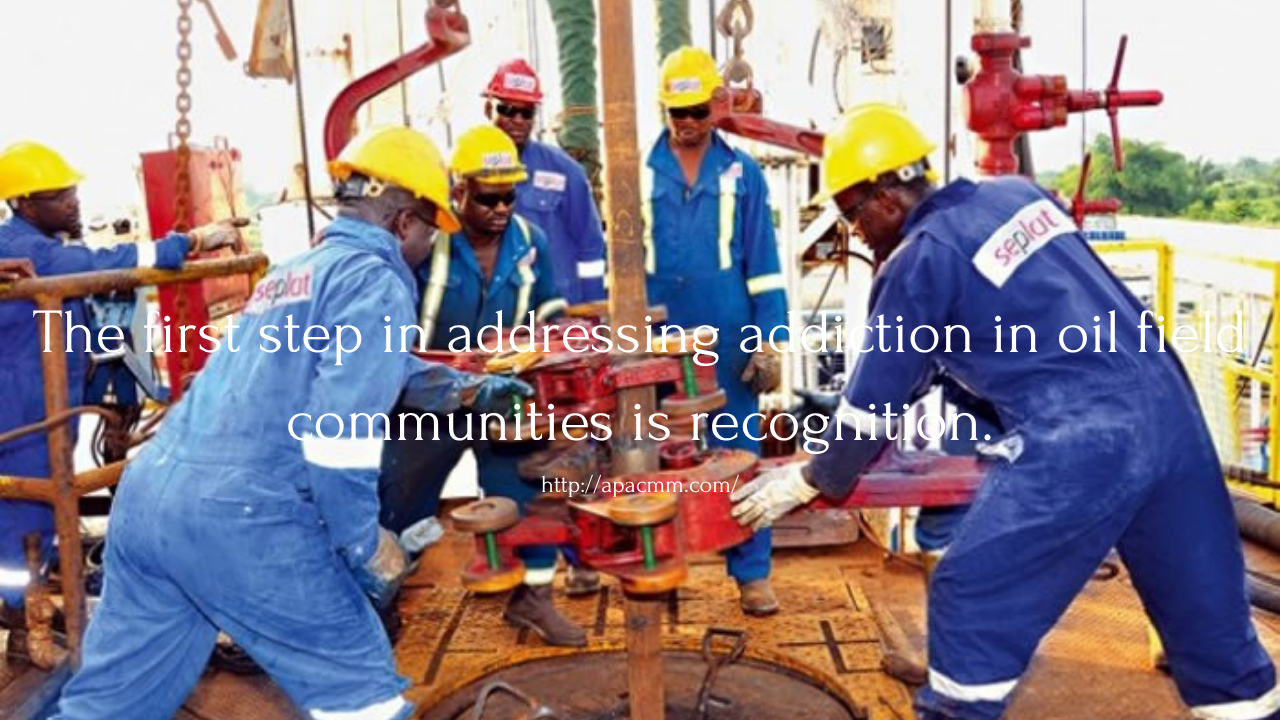
The first step in addressing addiction in oil field communities is recognition. Supervisors, coworkers, and even families must be educated to spot the warning signs: changes in behavior, erratic attendance, decreased performance, mood swings, or visible signs of substance use. These indicators are not always easy to detect, especially in a culture that often discourages vulnerability.

Routine mental health check-ins, anonymous surveys, and open conversations about addiction can help normalize the topic. When workers see that addiction is being taken seriously and compassionately, they are more likely to seek help.

Effective Treatment Strategies

Treating addiction in oil field communities requires solutions that account for the industry’s unique challenges:

  1. On-site and Remote Support
    Bringing treatment to workers through mobile health clinics or telehealth platforms is crucial. These services can provide medical assessments, therapy sessions, and recovery planning directly to remote sites.
  2. Confidential Help Programs
    Companies should offer confidential Employee Assistance Programs (EAPs) that provide access to addiction counseling, mental health support, and referrals to rehabilitation services—without fear of disciplinary action.
  3. Flexible Rehabilitation Options
    Not every worker can leave their job for inpatient rehab. Outpatient programs, short-term leave policies, and after-hours counseling provide more feasible paths to recovery.
  4. Community-Based Support
    Recovery does not end with treatment. Support groups, mentorship programs, and family counseling can help individuals maintain sobriety and rebuild their lives.

A Call for Compassion and Change

The hard truth is that addiction is present in oil field communities—and it is costing lives, families, and careers. But by recognizing the problem and implementing tailored, empathetic treatment strategies, the industry can change course. Supporting workers through their recovery is not just the right thing to do—it’s essential to the health of the workforce and the future of the industry.

With understanding, action, and compassion, recovery in the oil fields is not only possible—it’s within reach.

Healing Beyond the Boom: Connecting Oil Field Workers with Lifesaving Treatment

The oil industry has long been a cornerstone of economic growth and energy production. Yet behind the boom in productivity lies a hidden struggle among many oil field workers—addiction. The demanding nature of oil field jobs, characterized by physically grueling work, long shifts, and remote locations, creates an environment where substance abuse can easily take root. To truly support these workers, the industry must focus on connecting them with lifesaving treatment and comprehensive care that addresses the unique challenges they face.

The Hidden Struggles of Oil Field Workers

Oil field workers often endure harsh working conditions that can lead to both physical and mental health issues. Injuries and chronic pain from repetitive labor make the use of prescription painkillers common, which unfortunately can lead to opioid dependency. Additionally, long hours spent isolated from family and community contribute to stress, loneliness, and mental fatigue. Many workers turn to alcohol or drugs to manage these pressures, creating a cycle of addiction that is difficult to break.

Despite the growing problem, many workers hesitate to seek help. The stigma surrounding addiction in such a traditionally “tough” industry means workers fear judgment from colleagues and the potential risk of losing their jobs. Access to treatment is also limited due to the remote nature of oil fields, making it harder to find nearby support services.

Bridging the Gap: Access to Treatment

Connecting oil field workers to effective treatment requires breaking down these barriers through innovative and compassionate solutions:

  1. On-site and Mobile Treatment Options
    Employers can provide mobile clinics and on-site counseling services that bring treatment directly to remote work locations. This reduces the need for workers to travel long distances and makes it easier to access immediate care.
  2. Telehealth Services
    Telemedicine offers a flexible and confidential way for workers to receive counseling and medical support without leaving their job sites. Virtual therapy sessions can be scheduled around demanding work hours, allowing workers to engage in recovery while maintaining their employment.
  3. Confidential Employee Assistance Programs (EAPs)
    Workplaces that promote confidential EAPs encourage workers to seek help early. These programs provide counseling, referrals, and support, all designed to protect worker privacy and reduce fear of job loss.
  4. Peer Support and Education
    Creating peer-led support groups helps reduce stigma and fosters a culture of openness. Education programs that raise awareness about addiction and mental health empower workers to recognize warning signs and support colleagues in need.

Toward a Culture of Healing

Healing beyond the boom is not just about treating addiction but about transforming the culture of the oil industry. Employers must champion mental health awareness and prioritize the well-being of their workforce. Training supervisors to recognize and respond to substance abuse, promoting work-life balance, and encouraging open communication are vital steps in fostering a supportive environment.

By investing in accessible, stigma-free treatment and ongoing support, the oil industry can help workers break free from addiction and regain control of their lives. This not only saves lives but also improves workplace safety, productivity, and morale—benefiting the entire industry.

Conclusion

Addiction among oil field workers is a hidden crisis demanding urgent attention. Healing beyond the boom means more than economic success; it means ensuring the people who power the industry receive the care and support they deserve. With dedicated efforts to connect workers to lifesaving treatment and foster a culture of compassion, the oil sector can lead the way in overcoming addiction and building a healthier future for all.

A Road to Recovery: Overcoming Addiction in the Demanding Oil Industry

The oil and gas industry is known for its intensity, with long hours, physically demanding work, and extended periods in remote locations. These factors, while part of what makes the job challenging and rewarding, also contribute to elevated stress levels and mental health struggles among oil workers. As a result, many turn to substances such as alcohol, opioids, or stimulants to cope, creating a hidden epidemic of addiction in the sector. Fortunately, recovery is possible with the right support, understanding, and intervention.

The Pressures That Lead to Addiction

Working in the oil industry involves a unique combination of stressors. Physical strain from labor-intensive tasks can lead to chronic pain, often treated with prescription opioids that carry a high risk of dependency. The isolation of being away from family and support systems for extended periods can exacerbate feelings of loneliness and depression. Meanwhile, the pressure to meet production quotas and maintain safety standards adds a layer of emotional and psychological stress.

Substance use can begin innocently, often as a way to manage pain or unwind after a grueling shift. However, without proper support and monitoring, this behavior can spiral into addiction. Compounding the issue is the culture of toughness prevalent in the industry, which discourages workers from admitting vulnerability or seeking help.

Steps Toward Recovery

Overcoming addiction in the oil industry starts with acknowledging the problem and implementing tailored recovery solutions that respect the realities of the work environment.

  1. Raising Awareness and Reducing Stigma – Companies must foster an environment where discussions about mental health and addiction are normalized. This includes awareness campaigns, testimonials from recovered workers, and leadership commitment to breaking the stigma.
  2. Access to Treatment Services – Recovery is most effective when treatment is accessible. Offering on-site counseling, telehealth therapy, and mobile health units can ensure that workers receive timely care. Partnering with local addiction recovery centers for fast referrals can also streamline the treatment process.
  3. Confidentiality and Job Security – Fear of losing employment keeps many from seeking help. Employers should ensure that employees can access addiction treatment confidentially and without fear of punishment. Robust Employee Assistance Programs (EAPs) can provide this reassurance.
  4. Flexible Recovery Options – Not all workers can leave their jobs for extended periods. Flexible recovery plans, including outpatient treatment, evening support sessions, and short-term rehabilitation leave, can accommodate demanding work schedules.
  5. Peer and Supervisor Support – Recovery is more successful with strong support systems. Peer recovery groups, mentorship programs, and trained supervisors who can identify early signs of substance use can play a crucial role in guiding workers toward help.

Hope and Healing on the Horizon

Despite the challenges, recovery is not out of reach. With the right combination of compassion, structure, and accessibility, oil field workers can overcome addiction and reclaim their lives. A healthier, supported workforce not only improves individual well-being but also enhances safety, productivity, and morale across the industry.

The road to recovery may be long, but it is one worth traveling. By investing in mental health, reducing stigma, and providing effective treatment options, the oil and gas sector can help pave the way for a brighter, healthier future for its workforce.

Helping Hands in Harsh Conditions: Support Systems for Addicted Oil Workers

The oil and gas industry is often synonymous with hard labor, long hours, and remote locations. These harsh conditions, while a testament to the resilience of oil field workers, also contribute to high levels of stress, isolation, and physical strain. Unfortunately, this environment can increase vulnerability to substance abuse, with many workers turning to drugs or alcohol to cope. Addressing addiction in the oil industry requires more than awareness—it demands robust support systems tailored to the unique challenges of the job.

The Need for Support in Isolation

Oil workers frequently spend weeks at a time away from their families, living in camps with limited recreational outlets. The isolation, combined with physically taxing labor and the constant pressure to perform, can take a toll on mental health. In such environments, the line between recreational use and dependency can blur quickly. Substances like alcohol, opioids, and stimulants may offer temporary relief but often lead to long-term issues.

Moreover, the stigma surrounding addiction and mental health in the industry prevents many from speaking out. A culture that values toughness and self-reliance can discourage workers from seeking help, fearing judgment or job loss. This silence only deepens the crisis.

Building a Network of Support

To effectively support addicted oil workers, employers and communities must implement proactive and compassionate strategies that address the root causes of substance use and provide accessible, confidential avenues for recovery.

  1. Peer Support Programs – Establishing peer-led support groups within oil field communities can be a powerful tool. These groups allow workers to share their experiences in a safe and understanding environment. Knowing others have faced similar struggles can reduce feelings of isolation and foster hope.
  2. Employee Assistance Programs (EAPs) – Confidential EAPs offer counseling, addiction recovery resources, and mental health support. Promoting these services as confidential and judgment-free can encourage more workers to seek help before their situation worsens.
  3. Mobile and Telehealth Services – Given the remote nature of oil work, traditional access to healthcare can be difficult. Telehealth platforms and mobile clinics can bridge this gap, delivering timely support to those in need. Virtual counseling sessions, medication management, and therapy can be lifesaving.
  4. Supervisor and Staff Training – Equipping supervisors with the skills to recognize signs of substance use and to respond with empathy rather than punishment is essential. Training should focus on early intervention, destigmatization, and connecting employees with the appropriate resources.
  5. Flexible Treatment Options – Not every worker can afford to step away from the job for inpatient rehab. Offering outpatient programs, evening sessions, and short-term leaves for treatment enables workers to receive care without sacrificing their livelihoods.

A Culture of Compassion and Accountability

Creating an environment where workers feel supported rather than judged is crucial. This means shifting from a punitive approach to one centered on health and rehabilitation. It also requires leadership buy-in, consistent messaging, and a visible commitment to employee well-being.

Oil field workers are the backbone of a critical industry. Ensuring they have the help they need, especially in battling addiction, is not just a moral obligation—it is a strategic imperative. With the right support systems in place, recovery becomes not only possible but probable, even in the harshest of conditions.

From Drilling to Healing: Overcoming Barriers to Addiction Treatment for Oil Field Employees

The oil and gas industry is vital to global energy production, but the demands it places on its workforce come at a cost. Long hours, hazardous working conditions, and prolonged isolation make oil field workers particularly vulnerable to substance abuse. Despite the prevalence of addiction in the industry, many employees face significant barriers when trying to access treatment. Breaking down these obstacles is essential for fostering a healthier workforce and a safer industry.

The Root Causes of Addiction in Oil Field Workers

Oil field work is grueling. Workers endure physically taxing labor, extended shifts that often stretch 12 hours or more, and weeks spent in remote locations away from family and friends. This environment creates stress, exhaustion, and a sense of isolation, which are common contributors to substance use.

Injuries on the job further exacerbate the issue. The physically demanding nature of oil field work often leads to chronic pain, for which many workers are prescribed opioids. What begins as legitimate pain management can spiral into dependency and addiction. The prevalence of a “work hard, play hard” culture in the industry also normalizes substance use as a coping mechanism, creating a cycle that is difficult to break.

Barriers to Addiction Treatment

While the need for treatment is clear, oil field employees face unique challenges that make seeking help difficult.

  1. Geographic Isolation
    Oil fields are often located in remote areas, far from addiction treatment centers. Workers may need to travel long distances to access care, a hurdle that discourages many from seeking help.
  2. Work Schedules
    The demanding schedules of oil field workers leave little room for attending traditional treatment programs. Many recovery programs require extended time off, which can be financially and logistically impractical for workers with tight schedules or family responsibilities.
  3. Stigma
    In an industry that values toughness and self-reliance, admitting to a substance use disorder can feel like a sign of weakness. Workers may fear judgment from colleagues or worry about job security if they disclose their struggles.
  4. Lack of Industry-Specific Programs
    Standard addiction treatment programs may not address the unique challenges faced by oil field employees. Without tailored options, workers may struggle to find programs that fit their needs and circumstances.

Overcoming Barriers

To support oil field workers in overcoming addiction, the industry must adopt innovative and inclusive approaches to treatment.

  1. On-Site Resources
    Mobile treatment units or on-site counselors can provide immediate access to addiction services. These resources can help workers initiate the recovery process without leaving the field.
  2. Flexible Treatment Programs
    Recovery programs tailored to the oil industry should accommodate workers’ schedules. Intensive short-term rehab options followed by outpatient care can allow workers to seek help while maintaining their jobs.
  3. Telehealth Services
    Virtual therapy and online support groups are effective ways to overcome geographic barriers. Workers can access counseling and resources from their remote locations, ensuring continuous support throughout their recovery.
  4. Workplace Advocacy
    Employers can play a critical role in reducing stigma and promoting recovery. Offering confidential Employee Assistance Programs (EAPs), hosting workshops, and fostering open discussions about addiction can encourage workers to seek help without fear of judgment or repercussions.
  5. Peer Support Networks
    Creating peer support groups within the industry can connect workers who are navigating recovery with others who understand their unique challenges. These networks can provide encouragement and a sense of community.

Conclusion

For oil field workers, the journey from drilling to healing involves overcoming significant barriers to addiction treatment. By addressing these obstacles with innovative solutions like on-site resources, flexible programs, and workplace advocacy, the industry can help its workforce break free from the cycle of addiction. Supporting workers in their recovery not only improves their lives but also enhances workplace safety and productivity, ensuring a healthier future for the industry as a whole.

Fueling Recovery: Innovative Strategies to Support Oil Field Workers Facing Addiction

The oil and gas industry is known for its high-pressure environment, remote work locations, and physically demanding tasks. These unique conditions can lead to elevated stress levels and, for some workers, substance abuse as a coping mechanism. Addressing addiction among oil field workers requires innovative strategies that are tailored to their specific challenges. By adopting cutting-edge approaches, the industry can support workers on their path to recovery while enhancing overall workplace safety and productivity.

Understanding the Issue

Oil field workers often face long hours, weeks away from home, and physically taxing work in isolated environments. This combination of factors contributes to high rates of substance use and addiction within the industry. Many turn to alcohol, drugs, or prescription painkillers to manage stress, loneliness, or chronic pain from work-related injuries.

The consequences of addiction in this industry are significant. Impaired judgment, reduced reaction times, and decreased focus can lead to accidents on the job, jeopardizing the safety of the entire workforce. Moreover, addiction takes a toll on workers’ mental and physical health, relationships, and overall quality of life.

Barriers to Recovery

Oil field workers face unique barriers when it comes to seeking treatment for addiction. Geographic isolation often means treatment centers are far away, making it difficult for workers to access care. Additionally, the culture of toughness within the industry can discourage employees from admitting they need help, for fear of being perceived as weak or unreliable.

Work schedules present another obstacle. Traditional recovery programs require extended time off, which may not be feasible for workers with demanding schedules or financial responsibilities. As a result, many workers delay seeking help until their addiction severely impacts their lives.

Innovative Strategies for Recovery

To effectively support oil field workers facing addiction, the industry must adopt innovative, flexible, and accessible solutions.

  1. On-Site Support Services
    Bringing recovery services directly to oil field locations can help workers overcome geographic barriers. Mobile health clinics or visiting addiction counselors can provide immediate support. These services can include screenings, counseling, and referrals for further treatment, all within the convenience of the worksite.
  2. Telehealth and Virtual Therapy
    Telemedicine offers a practical solution for workers in remote areas. Virtual therapy sessions, online support groups, and telehealth consultations make it easier for workers to access care without needing to leave the field. This approach is particularly effective for ongoing support during and after recovery programs.
  3. Tailored Treatment Programs
    Recovery programs specifically designed for oil field workers can address their unique challenges, such as irregular schedules and physical demands. Short-term intensive rehab options followed by outpatient care allow workers to get the help they need without prolonged absences from work.
  4. Workplace Initiatives
    Employers play a crucial role in fostering recovery-friendly environments. Offering confidential Employee Assistance Programs (EAPs) and organizing workshops on mental health and addiction can encourage workers to seek help. By promoting an open dialogue about addiction, employers can reduce stigma and build a culture of support.
  5. Peer Support Networks
    Creating peer support networks within the industry can provide workers with relatable role models and a sense of community. Workers who have successfully navigated recovery can serve as mentors, helping others on their journey to sobriety.

Conclusion

Addressing addiction among oil field workers requires more than standard recovery programs. By implementing innovative strategies like on-site support, telehealth services, and tailored treatment plans, the oil and gas industry can create a pathway to recovery for its workforce. These efforts not only improve the well-being of employees but also enhance workplace safety and productivity. Fueling recovery is not just an investment in individuals—it is an investment in the future of the in the future of industry.

Breaking the Cycle: Addressing Addiction Among Oil Field Workers Through Tailored Treatment Programs

Addiction within the oil and gas industry, particularly among oil field workers, is an increasingly prevalent issue. The demanding physical labor, long hours, isolation, and high-pressure work environments often push employees toward substance abuse, either as a way to cope with stress or manage pain. As the industry grapples with the challenge of retaining skilled labor and maintaining safety, addressing addiction has become crucial. Tailored treatment programs, designed to meet the unique needs of oil field workers, are an essential tool in breaking the cycle of addiction.

The Unique Challenges of Oil Field Workers

Oil field workers face specific challenges that contribute to substance abuse, which are often overlooked in conventional recovery programs. These workers frequently endure extended shifts, often in remote locations far from family and support networks. The isolation, combined with physically taxing work, can lead to mental health struggles, such as anxiety and depression, which are common precursors to substance abuse. Additionally, the oil field culture often glorifies toughness and endurance, leaving little room for discussing personal struggles, let alone seeking help for addiction.

Moreover, pain management becomes a significant factor in the rise of substance abuse. Many oil field workers sustain injuries due to the hazardous nature of their work and may turn to prescription opioids or other substances to cope with the pain. Over time, dependence on these substances can spiral into full-blown addiction, leading to dangerous consequences both on and off the job.

Barriers to Accessing Treatment

Access to treatment is another hurdle for oil field workers struggling with addiction. Due to their remote work locations, treatment centers are often far away, making it difficult for workers to access the care they need. The demanding work schedules also leave little room for extended absences required for in-patient rehabilitation programs.

Stigma within the industry compounds this issue. Workers may fear that admitting to a substance use disorder could jeopardize their careers or lead to job loss. In a field where physical fitness and reliability are crucial, the fear of being perceived as weak or unreliable often prevents workers from seeking help.

The Need for Tailored Treatment Programs

Given these unique challenges, standard addiction treatment programs may not always meet the needs of oil field workers. Tailored treatment programs that address both the mental health and physical well-being of workers, while accommodating the specific demands of the industry, are crucial.

These programs must be accessible both in terms of location and timing. Telemedicine and virtual therapy sessions are increasingly popular solutions, allowing workers to receive counseling and support remotely. Additionally, creating partnerships between oil companies and addiction treatment centers can facilitate better access to care, making it easier for employees to seek help without fearing professional repercussions.

Flexible programs that provide a combination of inpatient and outpatient services are also vital. Shorter, intensive rehab programs that allow workers to return to the field without lengthy downtime, followed by outpatient services and ongoing support, can be particularly effective.

Workplace Culture and Employer Support

Oil companies themselves play a critical role in helping to break the cycle of addiction among their workforce. Encouraging a more supportive work environment, where mental health and substance use disorders are openly discussed, can reduce the stigma associated with seeking treatment. Employers can also offer resources such as employee assistance programs (EAPs), which provide confidential counseling services and referrals to addiction treatment programs.

Conclusion

Addressing addiction among oil field workers requires a multi-faceted approach that takes into account their unique working conditions and challenges. By implementing tailored treatment programs, promoting mental health awareness, and offering accessible support services, the industry can take meaningful steps toward breaking the cycle of addiction and fostering a healthier, more resilient workforce.

Bridging the Gap: Helping Oil Field Workers Overcome Addiction with Access to Treatment

The oil and gas industry is one of the most demanding sectors, both physically and mentally. Oil field workers often face long hours, isolation, physical danger, and extreme working conditions. Unfortunately, these stressors can lead to a heightened risk of substance abuse and addiction. Over time, this issue has emerged as a silent crisis within the industry. While addiction is a challenge across various sectors, the unique nature of oil field work requires tailored approaches to help those affected. Bridging the gap between oil field workers and effective treatment options is crucial to ensuring their health, safety, and long-term recovery.

Understanding the Problem: Why Oil Field Workers Are at Risk

Oil field workers operate in harsh environments, often away from home for extended periods. This isolation, coupled with physically strenuous labor and the high-pressure demands of the job, can push many workers toward substance use as a coping mechanism. Alcohol and drug abuse, particularly opioids and stimulants, have become prevalent in this workforce.

The cyclical nature of work, with intense shifts followed by periods of downtime, can also exacerbate the problem. Workers may use substances during off-time to deal with pain, anxiety, or boredom, but this pattern can lead to dependency. Additionally, the stigma surrounding addiction in male-dominated, high-risk industries often prevents workers from seeking help. Fear of job loss, judgment from peers, and a lack of understanding about available treatment options create significant barriers to recovery.

The Challenges of Treatment Access in Remote Areas

One of the most pressing issues for oil field workers struggling with addiction is the lack of access to treatment. Oil rigs and field sites are typically located in remote areas, far from urban centers where rehabilitation facilities are available. This geographical barrier can make it difficult for workers to attend therapy sessions or receive medical treatment.

Moreover, the demanding nature of the job makes it hard for workers to take extended time off to address their addiction. Fear of missing work or losing income can deter them from seeking help. Many oil companies, while aware of the issue, have not fully invested in on-site or accessible treatment programs, leaving workers to deal with the problem on their own.

Bridging the Gap: Tailored Solutions for the Industry

To address these challenges, a multi-faceted approach is necessary. First, oil companies need to prioritize mental health and addiction awareness as part of their workplace culture. Education and open dialogue about addiction can reduce the stigma and encourage workers to seek help before their problem worsens.

Additionally, creating easily accessible treatment programs is crucial. Telemedicine and online counseling services can provide immediate support to workers, even in remote locations. Partnering with specialized rehabilitation centers that understand the unique needs of oil field workers can also make a difference. Offering confidential, flexible treatment programs that cater to the erratic schedules of workers can help bridge the gap between their work demands and the care they need.

Lastly, oil companies can implement Employee Assistance Programs (EAPs) that offer resources and direct workers to addiction treatment services. These programs can provide confidential support, ensuring that workers feel safe and protected when seeking help.

The oil and gas industry must take a proactive role in addressing addiction among its workforce. By prioritizing mental health, reducing stigma, and improving access to tailored treatment, companies can help their workers overcome addiction and lead healthier lives. Bridging the gap between oil field workers and addiction recovery programs is not just a moral imperative—it’s essential for the safety and well-being of the entire industry.

Tips for Oil workers to remain productive and prevent addiction

Due to the high demands of productivity in the oil industry, the workers are under a lot of pressure to deliver. Some of them barely have time for self-care. They mostly work round the clock to meet up with the increasing need for oil.

Even though oil workers are well paid, some of them slip into addiction because of their unhealthy lifestyles.

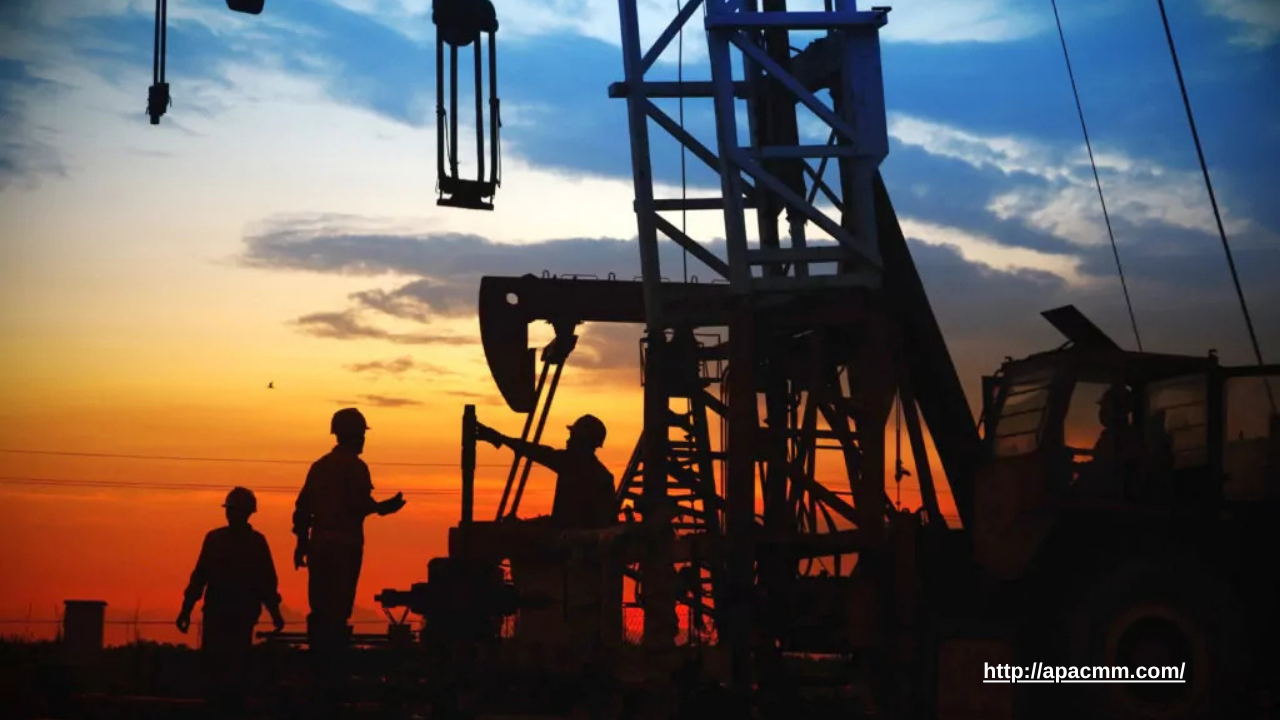
Free Industrial Machine during Golden Hour Stock Photo

To prevent addiction among oil workers, it is imperative for them to live a healthy life, so that their productivity would not decline. Here are some health tips that oil workers can apply.

Take lots of water

Oil workers need to prioritize drinking lots of water so that they can stay hydrated and energized. Sometimes, when you are immersed in work, you might forget to take water, which can affect your productivity or performance.

Hence, to remain active, you need to keep up your water intake. One of the mistakes that some oil workers make is, they prefer to take alcohol instead of water. While alcohol temporarily satisfies their hydration needs, it comes with short- and long-term negative effects.

Eat a nutritious diet

Another important health tip for oil workers to imbibe is to focus on eating more nutritious meals instead of unhealthy ones. Oil workers need to cut down on the unhealthy foods they eat so that it doesn’t trigger an unwanted response from the body, which can make them addicted in the long run.

While it may be difficult to eat nutritious food as oil workers, they can ensure that they focus more on preparing healthy meals when they are not working.

Get enough rest

Oil workers must get enough sleep so that it doesn’t affect their physical and mental health. When they don’t sleep properly, they might experience mood swings, fatigue inability to focus or concentrate, short temper, etc.

When you sleep properly, your immune system receives a good boost over time, making it nearly impossible for you to fall sick from time to time.

Other essential health tips that oil workers can apply are cutting down on caffeine, alcohol, and drugs, taking breaks, seeing a mental health counselor, etc.

Five signs that an oil worker is addicted

The signs of addiction are not as evident as they should, given the level of frequency that addicts crave to enjoying their addiction.

Addictions are often accompanied by secrecy because addicts are not always proud of them. Only those who are closer to them can see through them and identify their addiction.

Addictions found among oil workers are both behavioral and substance-related. For behaviors, oil workers are often associated with sex, gambling, partying, and food. They also get addicted to substances like alcohol, marijuana, cocaine, methamphetamine, and prescription drugs.

Addicts generally exhibit some behaviors that differentiate them from others. Similar to how addictions are behavioral and substance-related, the signs of addiction can be both physical and behavioral.

Behavioral addictions like sex and gambling are harder to identify as the extent of secrecy that comes with it is very high.

Causes of addiction among oil workers

The nature of the oil job puts workers under so much stress and depression. Drinking and partying is only but a getaway that workers use to ease stress and catch some fun. More so, drugs can be a way for them to improve efficiency in their jobs.

Oil workers take stimulant drugs to stay awake on their jobs and sedative drugs to aid sleep between shifts. Co-worker’s influence is also an unarguable trigger to their addiction.

Signs of addiction in oil workers

  1. Behavioral signs: They include secrecy, inability to cut back from drugs or habits, and loss of control.
  2. Physical signs: Weight loss, body odor, slurred speech, and loss of consciousness are a few.
  3. Psychological signs: Some psychological symptoms of addiction in oil workers are mood swings, depression, paranoia, anxiety, and trauma.
  4. Mental health signs: Addicts in the oil industry also tend to exhibit mental signals like shakiness, loss of coordination, hallucination, impaired judgment, and a sense of reward.
  5. Physical health signs: An addicted oil worker may also possess adverse health conditions from addiction. Health conditions like seizures, fever, headache, respiratory disease, cardiovascular disease, insomnia, and loss of appetite.