High Stakes Recovery: How the Oil Industry Can Support Workers Battling Addiction

The oil industry is synonymous with high-pressure work, demanding schedules, and physically challenging conditions. For the workers who keep the rigs running and energy flowing, these pressures can take a toll on both body and mind. Unfortunately, the demanding nature of the job, combined with long periods of isolation and high-stress environments, has contributed to an elevated risk of substance abuse among oil industry employees. Recognizing this reality and providing meaningful support is crucial. Recovery is not only possible, but it can be sustainable with the right combination of compassionate care, holistic treatment, and individualized support.

Understanding the Unique Risks in the Oil Industry

Oil and gas employees often work in remote locations, away from family and community support for weeks at a time. The physically intensive nature of the work increases the likelihood of injuries, which are commonly treated with prescription pain medications. Without proper monitoring and guidance, these medications can lead to dependency. Simultaneously, alcohol and other substances may be used as coping mechanisms for stress, fatigue, and isolation.

The Role of Workplace Culture

One of the biggest barriers to addressing addiction is workplace culture. In an industry that prizes toughness, endurance, and resilience, admitting vulnerability can feel impossible. Many workers fear judgment from colleagues or potential job loss, which discourages them from seeking help. This stigma allows addiction to remain hidden until it reaches a critical point, affecting not only the individual but also workplace safety and overall productivity.

Strategies for Supporting Recovery

The oil industry can take several practical steps to support employees struggling with addiction. These strategies focus on accessibility, holistic care, and building a culture of support.

Accessible Treatment Options

Providing both inpatient and outpatient treatment options ensures that employees have access to care that fits their personal and professional circumstances. Inpatient care offers a structured and safe environment for individuals requiring intensive treatment, while outpatient programs allow workers to continue fulfilling job responsibilities while participating in recovery.

Holistic and Faith-Based Approaches

True recovery addresses more than the physical symptoms of addiction. Holistic treatment encompasses mental health counseling, wellness practices, and, for those who value spirituality, faith-based support. This comprehensive approach helps individuals rebuild emotional resilience, manage stress, and develop sustainable coping strategies.

Individualized Recovery Plans

No two recovery journeys are the same. Personalized care plans tailor therapy, peer support, family involvement, and aftercare to the specific needs of each individual. By considering the unique challenges of oil industry workers, these plans significantly increase the likelihood of long-term recovery and prevent relapse.

Building a Supportive Work Environment

Employers have a critical role in fostering recovery-friendly workplaces. Training supervisors to recognize early signs of addiction, offering Employee Assistance Programs, and promoting open conversations about mental health can create an environment where seeking help is encouraged rather than feared. Supporting employees through recovery not only improves individual health but also enhances workplace safety, morale, and productivity.

Taking the Next Step

Addiction in the oil industry is a high-stakes challenge, but it is one that can be addressed with compassion, expertise, and proactive intervention. Workers struggling with substance use deserve access to holistic, individualized care that meets their unique needs. If you or someone you care about is facing addiction, reaching out for professional help is the first step toward lasting recovery. With the right support, oil industry workers can reclaim their health, restore their well-being, and thrive both on and off the job.
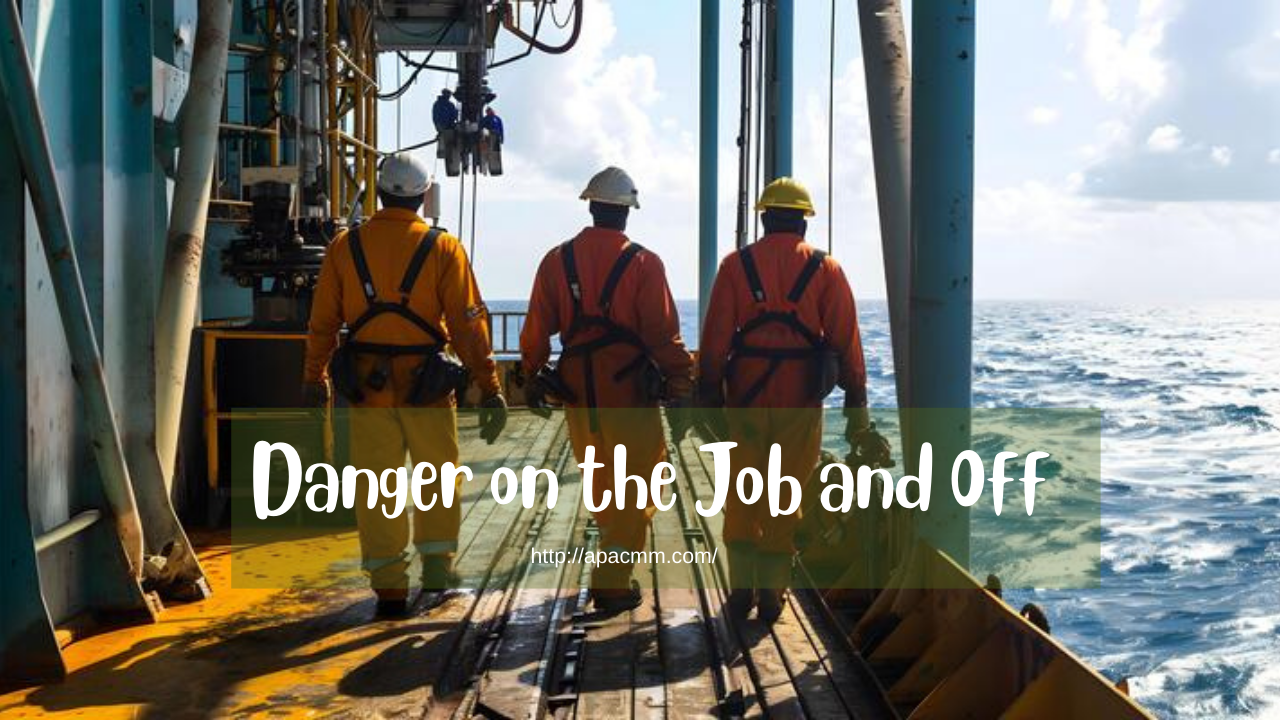
Danger on the Job and Off: Why Oil and Gas Workers Face Elevated Addiction Risks

Oil and gas workers are some of the most resilient professionals in the world. They endure grueling schedules, physically demanding tasks, and hazardous environments that require constant focus and discipline. While their work powers economies and sustains communities, it also exposes them to unique pressures that increase their risk of addiction. The challenges of long shifts, isolation, and injury management create conditions where substance use can quickly shift from coping mechanism to dependence. Understanding why this population is at elevated risk is the first step toward providing meaningful solutions.

The Demands of the Job

Oil and gas operations often take place in remote areas, requiring employees to spend weeks or months away from family and community support systems. The long hours and physically strenuous tasks put immense strain on both the body and mind. Injuries are not uncommon, and prescription medications such as opioids are frequently used for pain management. Without proper safeguards, these medications can become addictive.

The Role of Stress and Isolation

Isolation plays a major role in substance abuse risk. Many workers turn to alcohol or other substances to cope with loneliness or the stress of separation from loved ones. The culture within the industry also tends to value toughness and endurance, making it difficult for individuals to admit when they are struggling. This stigma often silences those in need of help, allowing addiction to take hold in silence.

Why Addiction Is Especially Dangerous in This Industry

Substance abuse is dangerous in any profession, but in the oil and gas sector the stakes are even higher. A lapse in judgment while operating heavy machinery or managing complex drilling operations can result in catastrophic accidents. Addiction does not just affect the individual worker. It threatens the safety of entire crews and the success of critical projects.

Hidden Costs to Workers and Companies

Beyond immediate safety concerns, addiction contributes to absenteeism, reduced productivity, and higher healthcare costs. Workers facing addiction may experience strained family relationships, declining mental health, and financial difficulties. For companies, the hidden costs of unaddressed addiction can quickly add up, impacting overall performance and morale.

Pathways to Healing and Recovery

Despite the risks, addiction does not have to define the lives of oil and gas workers. Effective recovery is possible with comprehensive, compassionate care tailored to individual needs.

Accessible Treatment Options

Inpatient programs provide structured environments for those requiring intensive care, while outpatient services allow individuals to continue working and supporting their families while receiving treatment. Both options play a critical role in supporting recovery.

Holistic and Faith-Based Approaches

Healing requires addressing more than just physical dependence. Holistic treatment incorporates counseling, mental health support, wellness practices, and spiritual guidance for those who value faith in their recovery journey. This whole-person approach provides lasting tools for resilience and growth.

Individualized Care Plans

Every worker’s journey is different. Personalized treatment plans ensure that individuals receive the specific support they need, whether through therapy, group support, or family involvement. This tailored care greatly improves the chances of long-term recovery.

Protecting Lives Beyond the Job Site

Oil and gas workers face elevated addiction risks because of the very conditions that make their jobs so demanding. Yet with the right support, recovery is within reach. By breaking the stigma, expanding access to treatment, and embracing holistic, individualized care, lives can be transformed.

If you or a loved one is struggling with addiction, now is the time to take the first step. Professional, compassionate help is available, and no one has to walk the road to recovery alone.

Beyond the Rig: Confronting the Addiction Epidemic Among Oil and Gas Employees

The oil and gas industry is known for its demanding schedules, physically intense labor, and remote work locations. While these jobs provide financial stability and career growth, they also come with hidden risks. Addiction among oil and gas employees has become a serious and often overlooked problem. Long hours, isolation, chronic pain from workplace injuries, and high stress levels create an environment where substances like alcohol, prescription medications, and stimulants can become a dangerous coping mechanism. Addressing this epidemic requires compassionate intervention, professional treatment, and a holistic approach that considers the unique challenges faced by these workers.

Understanding the Pressures That Lead to Addiction

Oil and gas employees often work in remote locations, far from family and social support networks. Weeks or months on a rig can lead to loneliness, fatigue, and emotional strain. The physically demanding work frequently results in injuries, which are often treated with prescription painkillers. Without proper guidance and monitoring, these medications can lead to dependency. In addition, alcohol and other substances may be used to cope with stress, further increasing the risk of addiction.

The Hidden Nature of Substance Abuse

One of the reasons addiction remains unaddressed in the energy sector is stigma. A culture that prizes toughness and resilience can make it difficult for employees to admit they are struggling. Fear of judgment or job loss may prevent workers from seeking help, allowing substance use disorders to worsen over time. Early intervention is critical, but it requires creating an environment where workers feel safe discussing their challenges.

Effective Approaches to Recovery

Confronting addiction among oil and gas employees requires a multi-faceted, personalized approach. Here are key strategies that promote successful recovery:

Accessible Treatment Options

Providing both inpatient and outpatient care ensures that employees have access to treatment that fits their circumstances. Inpatient programs offer structured support and a safe environment for those requiring intensive care. Outpatient options allow workers to continue their responsibilities while receiving the guidance and therapy necessary for recovery.

Holistic and Faith-Based Support

Recovery is not just about stopping substance use. It is about restoring balance in mental, emotional, and spiritual well-being. Holistic approaches include counseling, group therapy, physical wellness programs, and faith-based guidance for those who find strength in spirituality. These methods empower individuals to build resilience and develop healthy coping mechanisms.

Individualized Care Plans

No two recovery journeys are the same. Personalized care plans assess each employee’s needs, challenges, and goals. Treatment may include one-on-one therapy, peer support groups, family involvement, and long-term aftercare strategies. Individualized attention ensures the best possible outcomes and helps prevent relapse.

Building a Supportive Workplace Culture

Employers play a critical role in combating addiction. Promoting open conversations about mental health, providing access to Employee Assistance Programs, and training supervisors to recognize early warning signs can create a safer, more supportive work environment. Encouraging employees to seek help without fear of judgment or retaliation can save lives and protect workplace safety.

Taking the Next Step Toward Recovery

Addiction among oil and gas employees is a serious issue, but it is not insurmountable. With professional treatment, holistic support, and individualized care, recovery is possible. If you or someone you care about is struggling with substance use, reaching out for help is the first step toward lasting change. Support is available, and no one has to face this journey alone. By taking action today, oil and gas workers can reclaim their health, restore their well-being, and build a brighter future beyond the rig.

From Wells to Withdrawal: The Overlooked Crisis of Addiction in the Energy Sector

The energy sector has always symbolized strength, resilience, and opportunity. Yet beneath the surface of booming production and relentless schedules lies an overlooked crisis: addiction. Oil and gas workers often face extreme pressures, long hours, and demanding physical labor that can push even the most resilient individuals to the breaking point. For many, substances like alcohol, painkillers, or stimulants become a way to cope, only to evolve into dangerous patterns of dependence. Recognizing and addressing this hidden challenge is essential for the well-being of both workers and the industry as a whole.

Understanding the Unique Pressures of Energy Work

Energy workers frequently endure grueling conditions. Remote job sites, isolation from family, and extended shifts create a cycle of stress and exhaustion. Injuries are also common in this field, and prescription pain medications can lead to unintended dependence over time. When coupled with limited access to mental health resources on-site, the risk of substance abuse grows significantly.

The Stigma That Keeps Workers Silent

One of the greatest barriers to recovery in the energy sector is stigma. Admitting to an addiction or mental health struggle can feel impossible in a culture that often values toughness and perseverance above all else. Workers may fear losing their jobs, being judged, or being seen as weak. As a result, many suffer in silence until the problem escalates into a crisis.

Pathways Toward Healing and Recovery

Addressing addiction among oil and gas workers requires more than temporary solutions. It calls for compassionate, comprehensive care that treats the whole person and empowers them to rebuild their lives.

Accessible Treatment Options

Both inpatient and outpatient treatment programs provide vital pathways for recovery. Inpatient care offers a structured environment where individuals can focus solely on healing, while outpatient programs allow workers to receive support while maintaining their responsibilities at home or on the job. This flexibility ensures that no one has to choose between work and recovery.

A Holistic and Faith-Based Approach

Healing goes beyond addressing the physical dependence on substances. True recovery must also nurture the mind and spirit. Holistic approaches incorporate therapies that address mental health, emotional resilience, and spiritual growth. For individuals who value faith, integrating spiritual practices into recovery can offer an additional source of strength and hope.

Individualized Care for Lasting Results

No two recovery journeys are alike. Tailoring treatment plans to meet the unique needs of each individual ensures a higher chance of lasting sobriety. By focusing on personalized strategies—whether through counseling, peer support, or family involvement—workers gain the tools they need to sustain recovery long after treatment ends.

Creating Safer, Healthier Workplaces

Employers and industry leaders also have a role to play. By fostering open conversations about addiction and mental health, providing access to Employee Assistance Programs, and supporting workers who seek treatment, the energy sector can shift its culture toward one of compassion and accountability. A safer, healthier workforce benefits everyone.

Taking the First Step

Addiction in the energy sector is a real and urgent issue, but it is not without solutions. With compassionate care, holistic healing, and individualized treatment, recovery is not only possible but sustainable. If you or someone you love is struggling, reaching out for help can be the turning point toward a healthier future. Support is available, and no one has to face this battle alone.

The Cost of the Boom: Addressing Substance Abuse Among Oil and Gas Workers

The oil and gas industry has long been associated with opportunity, high pay, and fast-paced work. Yet behind the promise of prosperity lies a growing concern that too often goes unnoticed: substance abuse among oil and gas workers. The very conditions that make these jobs lucrative—long shifts, remote locations, and high physical demands—also create an environment where addiction can quietly take root. Addressing this issue is not only about protecting workers’ health but also about ensuring the safety, productivity, and integrity of the industry itself.

The High-Pressure Reality of Oil and Gas Work

Oil and gas workers face some of the most challenging work conditions in any profession. Extended periods away from family, physically taxing labor, and the constant pressure to meet production targets create stress levels that can be difficult to manage. When combined with isolation in remote work camps and limited access to mental health support, the risk for substance use rises significantly.

Prescription painkillers, alcohol, and other substances may initially seem like a way to cope with injuries, fatigue, or loneliness. Over time, what begins as occasional use can escalate into dependence, affecting both the worker and their entire team.

Why the Problem Persists

Several factors make substance abuse in the oil and gas industry particularly difficult to address.

  • Cultural barriers: Many workers are reluctant to seek help for fear of being judged or losing their jobs.
  • Access to resources: Remote job sites often lack immediate access to treatment centers or counseling services.
  • Stigma around mental health: A “tough it out” mentality can prevent individuals from admitting they are struggling.

This combination of physical strain, emotional stress, and limited resources means that without proactive intervention, addiction can go unnoticed until it reaches a crisis point.

Effective Strategies for Change

Addressing substance abuse in the oil and gas sector requires a compassionate, multi-layered approach that recognizes each person’s unique journey toward recovery.

Create a Culture of Support

Employers can play a major role by fostering open conversations about mental health and addiction. Educational programs and peer support networks help normalize the idea that seeking help is a sign of strength, not weakness.

Provide Accessible Treatment Options

Offering both inpatient and outpatient care ensures workers have choices that fit their circumstances. Outpatient programs allow individuals to receive treatment while maintaining employment, while inpatient care provides a safe, focused environment for those needing intensive support.

Use a Holistic and Personalized Approach

Holistic recovery goes beyond addressing the addiction itself. It includes mental health treatment, spiritual care for those who value a faith-based approach, and individualized plans that consider the person’s physical, emotional, and social needs. This approach empowers individuals to rebuild their lives in a sustainable way.

Taking the Next Step

The “boom” of the oil and gas industry should not come at the expense of worker health and well-being. With the right combination of awareness, support systems, and accessible treatment, it is possible to break the cycle of addiction and create a safer, healthier workforce.

If you or someone you care about is struggling with substance abuse, reaching out is the first step. Professional, compassionate help is available, offering hope for recovery and a renewed future. The journey may be challenging, but no one has to walk it alone.

Breaking Point: How High-Pressure Oil Jobs Lead to Addiction—and How to Stop It

In the high-stakes world of oil and gas, pressure isn’t just a physical force—it’s an everyday reality for the workers who keep the industry running. Long hours, physically demanding labor, dangerous conditions, and extended periods away from family all add up to an environment that pushes people to their limits. For many oil field workers, this pressure becomes unbearable, driving them toward substances like alcohol, opioids, or stimulants to cope. As addiction quietly spreads across rigs and refineries, it becomes clear: something needs to change.

The Hidden Costs of High-Pressure Jobs

The oil industry thrives on productivity and efficiency. Workers often operate in remote areas, living in temporary camps with limited access to leisure, mental health care, or support networks. The physical nature of the job frequently results in injuries, and pain management with prescription medications—particularly opioids—is common. Over time, dependency can develop, especially when paired with chronic stress and emotional strain.

Additionally, the culture within many oil field communities can contribute to the problem. In a profession that values toughness and endurance, admitting to personal struggles is often seen as a weakness. This stigma around mental health and addiction prevents workers from speaking up or asking for help, even when they desperately need it.

When Coping Turns into Crisis

What begins as an occasional drink to unwind or a pill to relieve pain can slowly spiral into a dangerous cycle of dependency. Workers may find themselves using substances not just to cope with physical discomfort, but to manage anxiety, loneliness, and depression. With few outlets for stress relief and little time off, many fall deeper into addiction without even realizing it—until they hit a breaking point.

Substance abuse in such high-risk work environments doesn’t only endanger the person using—it puts the entire team at risk. A single lapse in judgment while operating heavy machinery or managing a high-pressure drilling operation can have life-threatening consequences.

Prevention and Intervention: A New Approach

The oil industry must rethink how it addresses addiction. Preventing substance abuse and supporting recovery requires an integrated, compassionate strategy:

  1. Cultural Change Through Education
    Companies should implement awareness programs that destigmatize addiction and mental health challenges. Normalizing these conversations encourages early intervention.
  2. On-Site Mental Health Resources
    Providing immediate access to counseling, peer support groups, and mental health professionals on-site—or via telehealth—ensures that help is available, even in remote areas.
  3. Training Supervisors to Recognize the Signs
    Leaders on the ground should be trained to identify early warning signs of addiction and respond with empathy, not punishment.
  4. Confidential Recovery Programs
    Workers need assurance that seeking help won’t cost them their careers. Confidential Employee Assistance Programs (EAPs) can connect individuals with treatment options without fear of retaliation.
  5. Flexible Treatment Paths
    Offering outpatient rehab, evening sessions, and short-term leave for recovery ensures workers don’t have to choose between their job and their health.

Conclusion

High-pressure oil jobs can lead even the strongest workers to the edge. But with proactive support, education, and access to treatment, addiction doesn’t have to be the end of the road. By recognizing the signs and breaking the stigma, the industry can protect its most valuable asset—its people.

High Risks, High Stakes: The Untold Story of Addiction in the Oil and Gas Industry

The oil and gas industry is synonymous with hard work, high pay, and high pressure. It is a sector that demands physical resilience, mental toughness, and the ability to endure long hours in remote and often hazardous environments. While these workers power the world’s energy needs, there’s a hidden crisis unfolding behind the scenes—substance abuse and addiction. This untold story is rarely discussed, yet it affects thousands of workers and their families, with consequences that ripple through communities and workplaces alike.

The Roots of the Crisis

Oil and gas workers operate in environments where stress is a constant companion. Extended shifts, sometimes lasting 12 to 16 hours, combined with weeks away from family, create emotional isolation and mental fatigue. Physical injuries are common, and prescription opioids are often the first line of treatment for pain management. Unfortunately, these medications can lead to dependency, especially when paired with the high-stress lifestyle of oil field work.

In many oil field communities, alcohol and drug use are normalized as ways to cope with the pressures of the job. Drinking after a long shift or using stimulants to stay alert can become routine, eventually evolving into substance abuse. Yet, because the culture values toughness and self-reliance, many workers are reluctant to admit they need help, allowing addiction to grow unchecked.

The High Stakes of Inaction

Addiction in the oil and gas industry is not just a personal problem—it’s a workplace safety issue. Substance abuse can impair judgment, reduce reaction times, and increase the risk of accidents in environments where safety is paramount. From operating heavy machinery to managing complex drilling operations, even a momentary lapse can lead to catastrophic consequences. The stakes are high, not only for the addicted individual but for their coworkers and the entire operation.

Beyond safety concerns, addiction impacts productivity, employee retention, and healthcare costs. Workers struggling with substance abuse are more likely to miss shifts, require medical attention, and face mental health crises. This creates financial and operational burdens for companies and weakens the overall workforce.

Building a Path to Recovery

Addressing addiction in the oil and gas industry requires a proactive, compassionate approach. Here are key steps to help tackle the issue:

  1. Breaking the Stigma – Open conversations about mental health and addiction must become part of the workplace culture. Education programs can help normalize seeking help.
  2. Accessible Treatment Options – Telehealth services, mobile counseling units, and on-site mental health support can provide immediate access to care, even in remote locations.
  3. Employee Assistance Programs (EAPs) – Confidential support programs can connect workers with addiction treatment resources without fear of job loss.
  4. Peer Support and Supervisor Training – Training leaders to recognize the signs of addiction and respond with empathy encourages early intervention and support.

Conclusion

The untold story of addiction in the oil and gas industry is one that can no longer remain hidden. By acknowledging the crisis and implementing thoughtful, accessible treatment solutions, the industry can protect its workers and create a healthier, safer future. The risks are high, but the rewards of recovery are even greater.

The Hard Truth: Recognizing and Treating Addiction in Oil Field Communities

Oil field communities are built on strength, endurance, and a relentless work ethic. They are the backbone of the energy sector, driving economies and powering nations. But behind the grit and determination lies a difficult reality: addiction is a growing and often unspoken crisis in these tight-knit, high-stress environments. Recognizing and treating addiction in oil field communities is not only a moral responsibility but also essential to maintaining the safety, productivity, and long-term well-being of the workforce.

Addiction: The Quiet Crisis in the Oil Fields

Oil field work is not for the faint of heart. Employees work grueling hours, often in isolated and hazardous conditions. They are frequently stationed in remote areas, far from family and social support systems. The physical demands of the job often lead to injuries, which are commonly treated with prescription painkillers—opening the door to opioid dependency. Simultaneously, the psychological toll of isolation and stress can push workers toward alcohol and drug use as a form of relief.

In these environments, addiction often goes unnoticed or unspoken. Workers may hide their struggles for fear of losing their jobs, being judged by peers, or damaging their reputation in the community. This silence allows addiction to fester, worsening over time and increasing the risk of accidents, mental health crises, and long-term health problems.

The Importance of Early Recognition

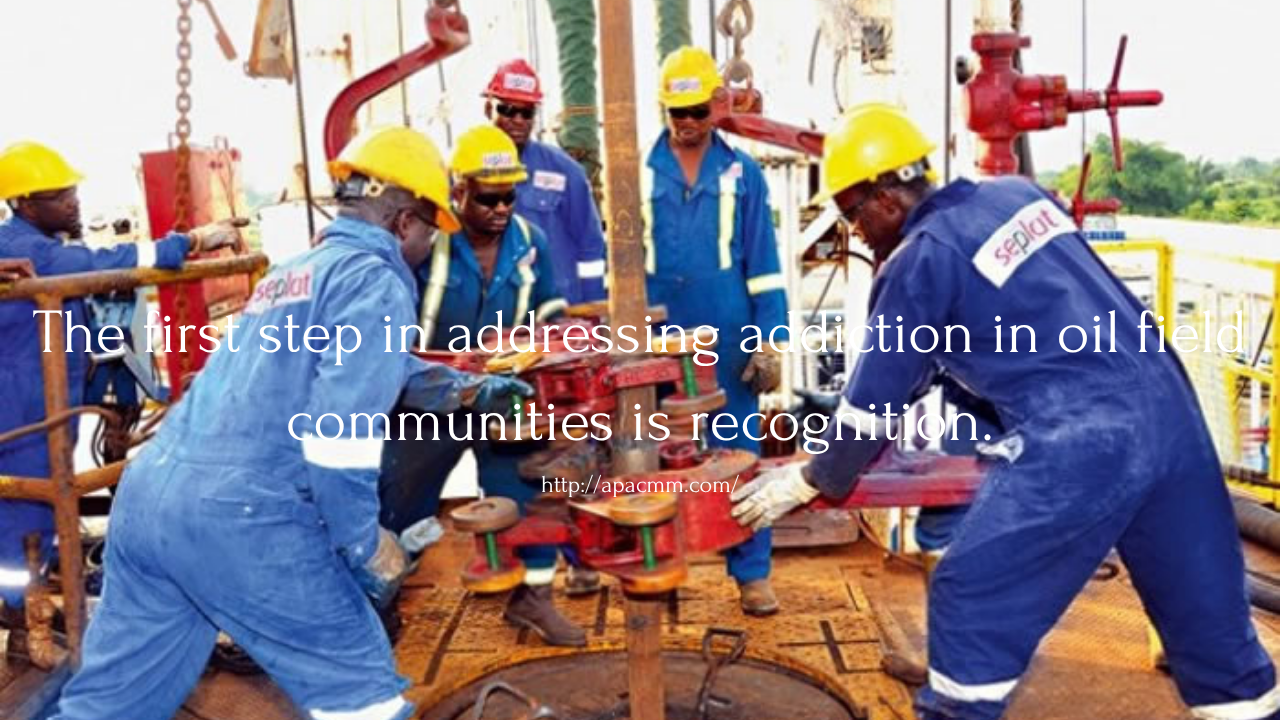
The first step in addressing addiction in oil field communities is recognition. Supervisors, coworkers, and even families must be educated to spot the warning signs: changes in behavior, erratic attendance, decreased performance, mood swings, or visible signs of substance use. These indicators are not always easy to detect, especially in a culture that often discourages vulnerability.

Routine mental health check-ins, anonymous surveys, and open conversations about addiction can help normalize the topic. When workers see that addiction is being taken seriously and compassionately, they are more likely to seek help.

Effective Treatment Strategies

Treating addiction in oil field communities requires solutions that account for the industry’s unique challenges:

  1. On-site and Remote Support
    Bringing treatment to workers through mobile health clinics or telehealth platforms is crucial. These services can provide medical assessments, therapy sessions, and recovery planning directly to remote sites.
  2. Confidential Help Programs
    Companies should offer confidential Employee Assistance Programs (EAPs) that provide access to addiction counseling, mental health support, and referrals to rehabilitation services—without fear of disciplinary action.
  3. Flexible Rehabilitation Options
    Not every worker can leave their job for inpatient rehab. Outpatient programs, short-term leave policies, and after-hours counseling provide more feasible paths to recovery.
  4. Community-Based Support
    Recovery does not end with treatment. Support groups, mentorship programs, and family counseling can help individuals maintain sobriety and rebuild their lives.

A Call for Compassion and Change

The hard truth is that addiction is present in oil field communities—and it is costing lives, families, and careers. But by recognizing the problem and implementing tailored, empathetic treatment strategies, the industry can change course. Supporting workers through their recovery is not just the right thing to do—it’s essential to the health of the workforce and the future of the industry.

With understanding, action, and compassion, recovery in the oil fields is not only possible—it’s within reach.

Healing Beyond the Boom: Connecting Oil Field Workers with Lifesaving Treatment

The oil industry has long been a cornerstone of economic growth and energy production. Yet behind the boom in productivity lies a hidden struggle among many oil field workers—addiction. The demanding nature of oil field jobs, characterized by physically grueling work, long shifts, and remote locations, creates an environment where substance abuse can easily take root. To truly support these workers, the industry must focus on connecting them with lifesaving treatment and comprehensive care that addresses the unique challenges they face.

The Hidden Struggles of Oil Field Workers

Oil field workers often endure harsh working conditions that can lead to both physical and mental health issues. Injuries and chronic pain from repetitive labor make the use of prescription painkillers common, which unfortunately can lead to opioid dependency. Additionally, long hours spent isolated from family and community contribute to stress, loneliness, and mental fatigue. Many workers turn to alcohol or drugs to manage these pressures, creating a cycle of addiction that is difficult to break.

Despite the growing problem, many workers hesitate to seek help. The stigma surrounding addiction in such a traditionally “tough” industry means workers fear judgment from colleagues and the potential risk of losing their jobs. Access to treatment is also limited due to the remote nature of oil fields, making it harder to find nearby support services.

Bridging the Gap: Access to Treatment

Connecting oil field workers to effective treatment requires breaking down these barriers through innovative and compassionate solutions:

  1. On-site and Mobile Treatment Options
    Employers can provide mobile clinics and on-site counseling services that bring treatment directly to remote work locations. This reduces the need for workers to travel long distances and makes it easier to access immediate care.
  2. Telehealth Services
    Telemedicine offers a flexible and confidential way for workers to receive counseling and medical support without leaving their job sites. Virtual therapy sessions can be scheduled around demanding work hours, allowing workers to engage in recovery while maintaining their employment.
  3. Confidential Employee Assistance Programs (EAPs)
    Workplaces that promote confidential EAPs encourage workers to seek help early. These programs provide counseling, referrals, and support, all designed to protect worker privacy and reduce fear of job loss.
  4. Peer Support and Education
    Creating peer-led support groups helps reduce stigma and fosters a culture of openness. Education programs that raise awareness about addiction and mental health empower workers to recognize warning signs and support colleagues in need.

Toward a Culture of Healing

Healing beyond the boom is not just about treating addiction but about transforming the culture of the oil industry. Employers must champion mental health awareness and prioritize the well-being of their workforce. Training supervisors to recognize and respond to substance abuse, promoting work-life balance, and encouraging open communication are vital steps in fostering a supportive environment.

By investing in accessible, stigma-free treatment and ongoing support, the oil industry can help workers break free from addiction and regain control of their lives. This not only saves lives but also improves workplace safety, productivity, and morale—benefiting the entire industry.

Conclusion

Addiction among oil field workers is a hidden crisis demanding urgent attention. Healing beyond the boom means more than economic success; it means ensuring the people who power the industry receive the care and support they deserve. With dedicated efforts to connect workers to lifesaving treatment and foster a culture of compassion, the oil sector can lead the way in overcoming addiction and building a healthier future for all.

A Road to Recovery: Overcoming Addiction in the Demanding Oil Industry

The oil and gas industry is known for its intensity, with long hours, physically demanding work, and extended periods in remote locations. These factors, while part of what makes the job challenging and rewarding, also contribute to elevated stress levels and mental health struggles among oil workers. As a result, many turn to substances such as alcohol, opioids, or stimulants to cope, creating a hidden epidemic of addiction in the sector. Fortunately, recovery is possible with the right support, understanding, and intervention.

The Pressures That Lead to Addiction

Working in the oil industry involves a unique combination of stressors. Physical strain from labor-intensive tasks can lead to chronic pain, often treated with prescription opioids that carry a high risk of dependency. The isolation of being away from family and support systems for extended periods can exacerbate feelings of loneliness and depression. Meanwhile, the pressure to meet production quotas and maintain safety standards adds a layer of emotional and psychological stress.

Substance use can begin innocently, often as a way to manage pain or unwind after a grueling shift. However, without proper support and monitoring, this behavior can spiral into addiction. Compounding the issue is the culture of toughness prevalent in the industry, which discourages workers from admitting vulnerability or seeking help.

Steps Toward Recovery

Overcoming addiction in the oil industry starts with acknowledging the problem and implementing tailored recovery solutions that respect the realities of the work environment.

  1. Raising Awareness and Reducing Stigma – Companies must foster an environment where discussions about mental health and addiction are normalized. This includes awareness campaigns, testimonials from recovered workers, and leadership commitment to breaking the stigma.
  2. Access to Treatment Services – Recovery is most effective when treatment is accessible. Offering on-site counseling, telehealth therapy, and mobile health units can ensure that workers receive timely care. Partnering with local addiction recovery centers for fast referrals can also streamline the treatment process.
  3. Confidentiality and Job Security – Fear of losing employment keeps many from seeking help. Employers should ensure that employees can access addiction treatment confidentially and without fear of punishment. Robust Employee Assistance Programs (EAPs) can provide this reassurance.
  4. Flexible Recovery Options – Not all workers can leave their jobs for extended periods. Flexible recovery plans, including outpatient treatment, evening support sessions, and short-term rehabilitation leave, can accommodate demanding work schedules.
  5. Peer and Supervisor Support – Recovery is more successful with strong support systems. Peer recovery groups, mentorship programs, and trained supervisors who can identify early signs of substance use can play a crucial role in guiding workers toward help.

Hope and Healing on the Horizon

Despite the challenges, recovery is not out of reach. With the right combination of compassion, structure, and accessibility, oil field workers can overcome addiction and reclaim their lives. A healthier, supported workforce not only improves individual well-being but also enhances safety, productivity, and morale across the industry.

The road to recovery may be long, but it is one worth traveling. By investing in mental health, reducing stigma, and providing effective treatment options, the oil and gas sector can help pave the way for a brighter, healthier future for its workforce.